Write your resume in 15 minutes
Our collection of expertly designed resume templates will help you stand out from the crowd and get one step closer to your dream job.


You're staring at a job posting that asks for a "CV." Your American colleague says you need a resume. Your European friend insists: the CV is correct. The company is based in London but the role reports to Boston…
This isn't a terminology debate: it's a minefield where one wrong move can eliminate you from consideration before anyone reads a word.
→ You know which document you need ? Learn how to write a resume that gets interviews
CV and resume examples
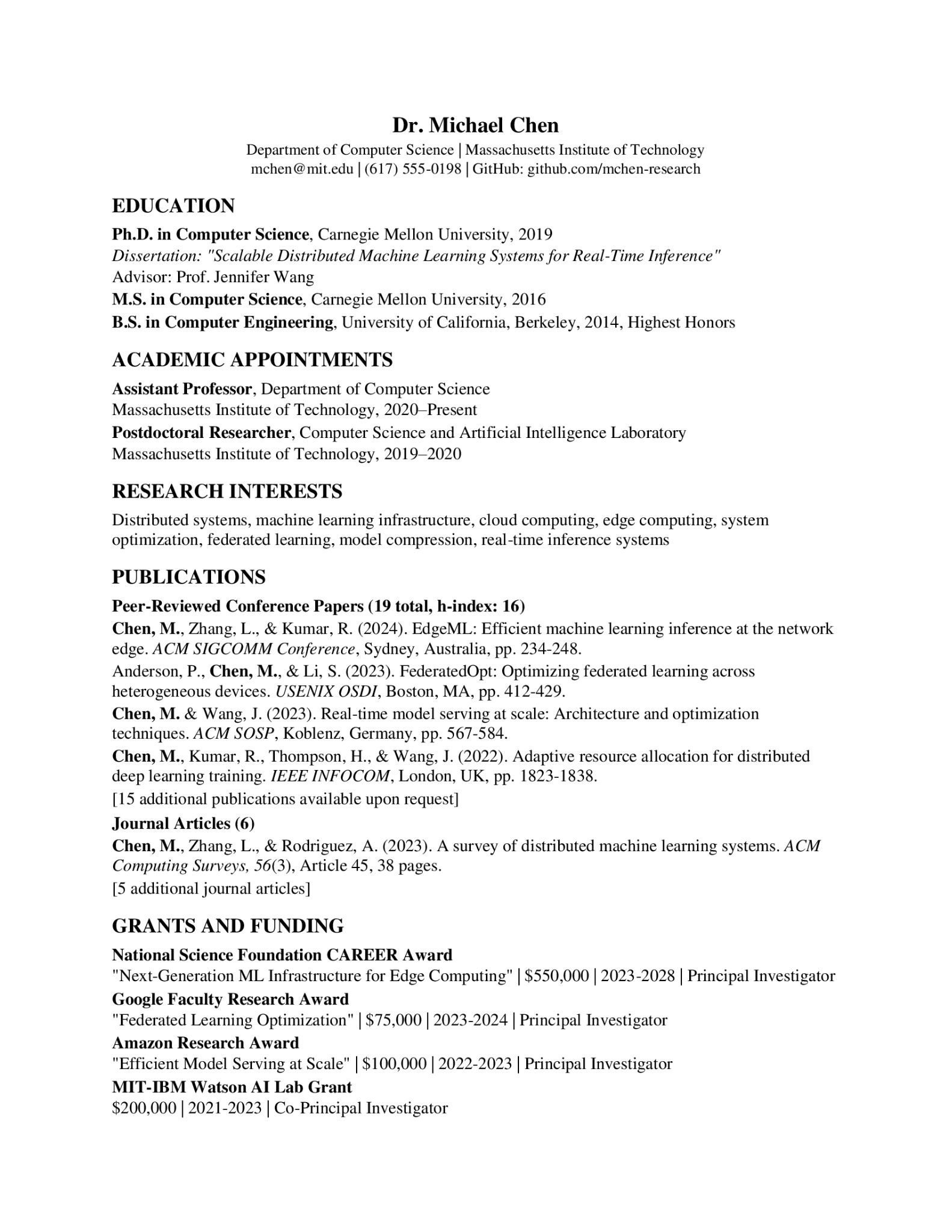
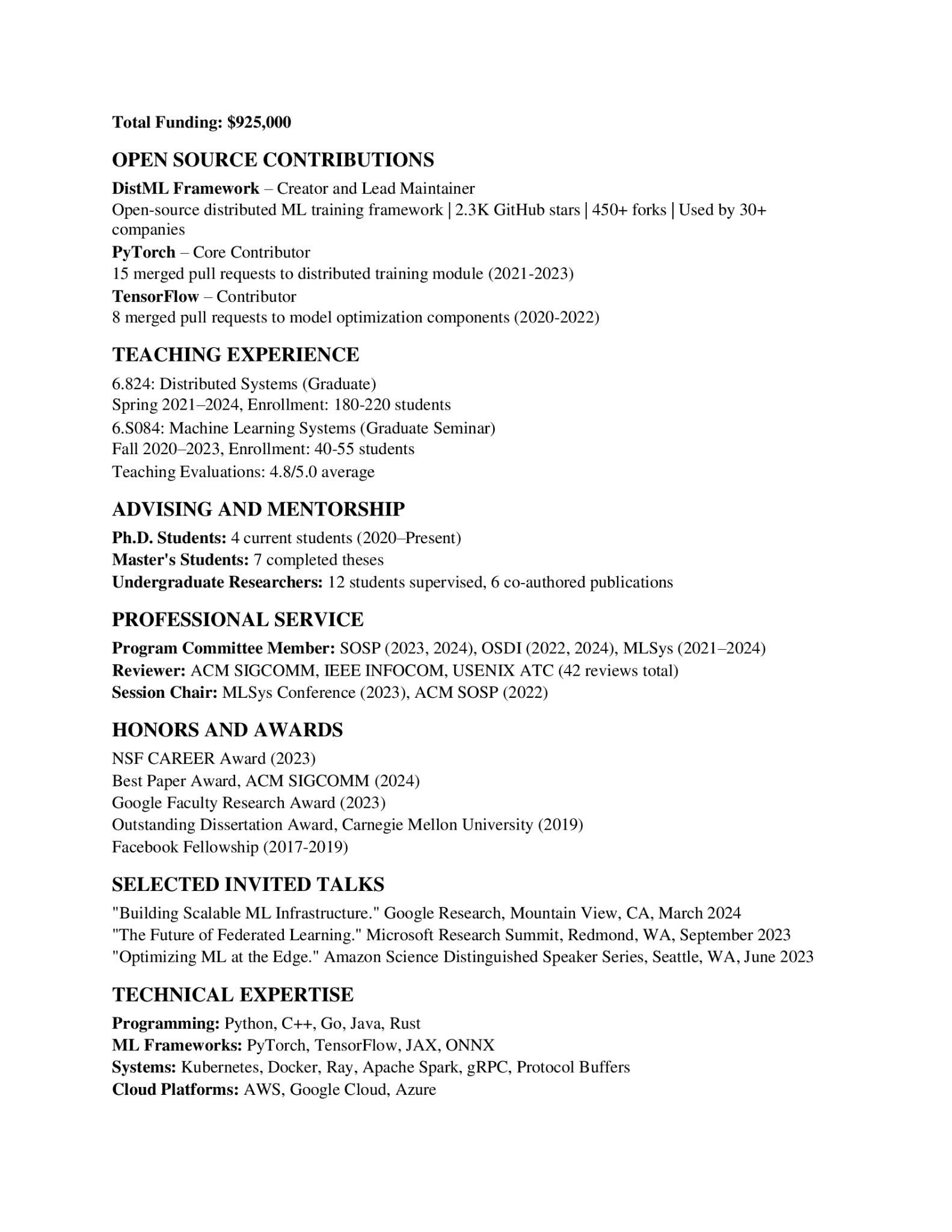
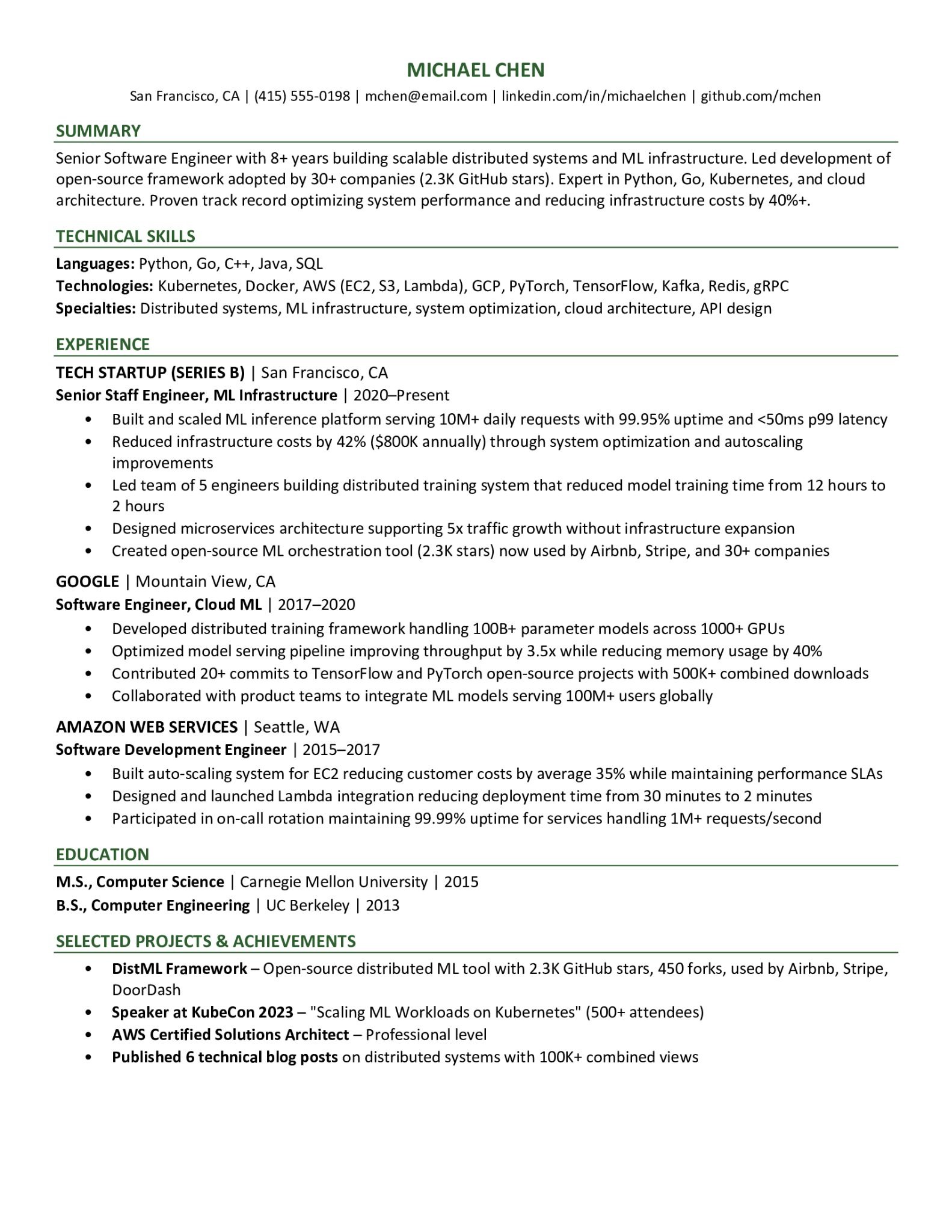
Below are side-by-side CV and resume examples designed to make the differences immediately clear. Compare them to see how format, content, and level of detail change depending on the role and context.
Example of 2-page CV (Curriculum Vitae)
Same example in resume format
Resume vs CV : Which document do you need?
Three factors decide: field, country, and career stage. Get any one wrong and your application lands in the reject pile.
By Field and Position
- Use a CV for: Academic positions (professor, researcher, postdoc), graduate school applications, medical residencies, research grants and fellowships.
- Use a Resume for: Corporate jobs in the US, startup positions, business roles, technical/engineering jobs, and most private sector employment.
By Country
- United States: Resume for 95% of jobs. CV only for academic, research, or medical positions where publications and grants matter.
- United Kingdom: Use the term "CV" for all applications, but format it like a US resume (1-2 pages, concise). The UK CV is not the same as a US academic CV.
- Europe (Continental): Generally use "CV" terminology. Germany requires "Lebenslauf" with a professional photo. France expects "CV" with photo common. Length typically 2 pages for business roles. See our European CV guide.
- Canada/Australia: Follow US conventions (resume for corporate, CV for academic).
Key differences between CV and resume
Length isn't the only dividing line. These documents operate on fundamentally different philosophies.
1. Length and Depth
For a resume
Typically 1 page for professionals with under 10 years of experience, maximum 2 pages for senior roles. Every word in a resume must justify its space.
For a CV
There’s no page limit. Academic CVs commonly run 2-5 pages for early-career researchers and 10+ pages for senior faculty.
2. Content and Sections
Resume sections
CV sections (additional):
3. Tailoring approach
A resume is heavily customized for each position. You rewrite bullets, emphasize relevant skills, and may completely restructure sections.
Learn how to tailor your resume.
In a CV, it’s generally static. You add new achievements (publications, presentations, grants) but maintain the same comprehensive structure.
4. Chronological Scope
The resume typically covers the last 10-15 years. Older positions may be listed without detail or omitted entirely.
See our guide on how many years of work experience to include.
The CV rather details comprehensive career history from your first relevant position through present. Nothing is omitted (every publication, every presentation, every course taught).
→ Ready to create your resume? Follow our step-by-step guide to writing a resume
Regional differences that matter in CV and resume
A winning resume in Boston bombs in Berlin. Here's how expectations shift across borders.
CV vs resume in the United States
There’s a clear distinction: Resume for business, CV for academia. Photos? Never. US anti-discrimination laws make photos inappropriate (learn more). Personal details like age or marital status? It is also forbidden.
Resume vs CV in the United Kingdom
The UK calls everything a "CV" but actually wants a 2-page resume format. Don't send a 10-page academic tome unless explicitly requested. Use British English spelling (colour, organisation, realise). Photos not expected.
Resume and CV in continental Europe
Germany wants a photo on your Lebenslauf, plus birth date and place. France expects photos, keeps it to 1-2 pages. The Netherlands goes either way on photos but stays strict on the 2-page limit. When in doubt, look up the specific country's norms.
Resume in Asia-Pacific
Australia and New Zealand follow US rules. Japan uses standardized Rirekisho forms with mandatory photos. Singapore and Hong Kong blend Western and local practices, often expecting photos.
Converting between CV and resume formats
Switching career paths means switching document types. But this isn't copy-paste work; it requires rethinking your entire presentation.
CV to Resume (Academic to Corporate)
Here are the main rules :
- Strip out publications and grants unless directly relevant.
- Turn teaching into "training" or "leadership."
- Convert research into "analysis" or "project management."
- Swap academic language for business terms.
- Add metrics wherever possible.
Resume to CV (Corporate to Academic)
- Add sections for publications, presentations, research, grants, teaching, and service.
- Detail your dissertation, advisor, exam fields.
- List methodological skills. Include academic service like journal reviewing or committee work.
- Use formal language and full citations.
Sources
Harvard University Office of Career Services (Resume and CV Guidelines), Oxford University Careers Service (CV Writing Guidance), National Institutes of Health (Assessing Trustworthiness in Research: CV Verification Study), American Psychological Association (Build a Better CV).
Document Information
Created: April 30, 2026 • Word Count: ~2,600 words • Format: Optimized for readability and SEO
Create your resume with the best templates