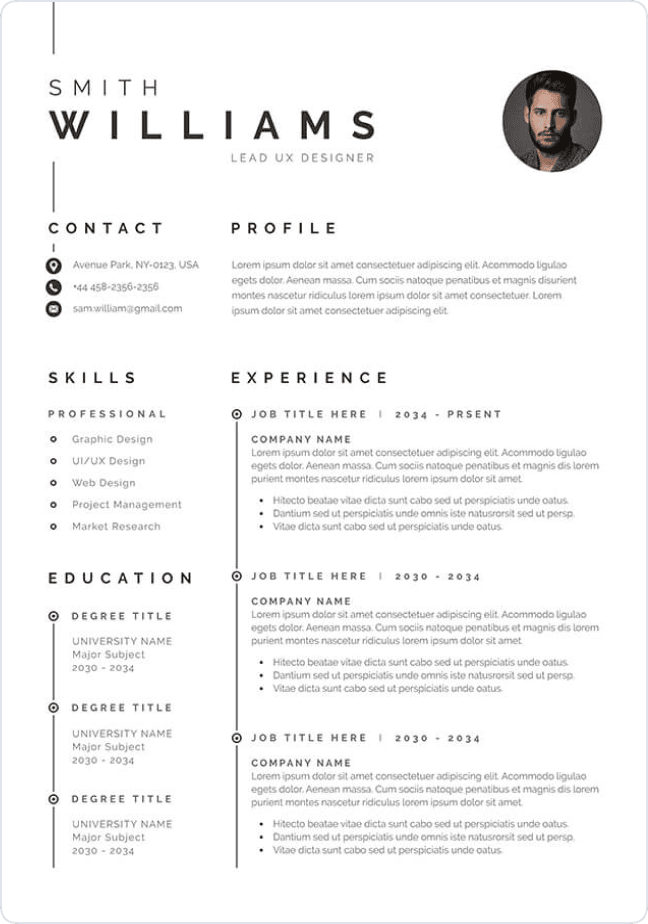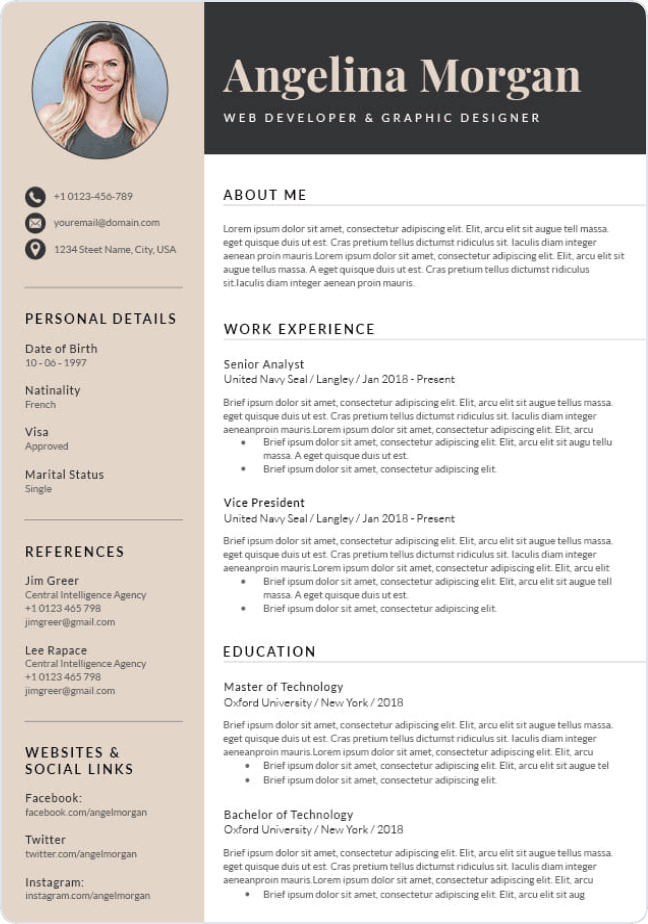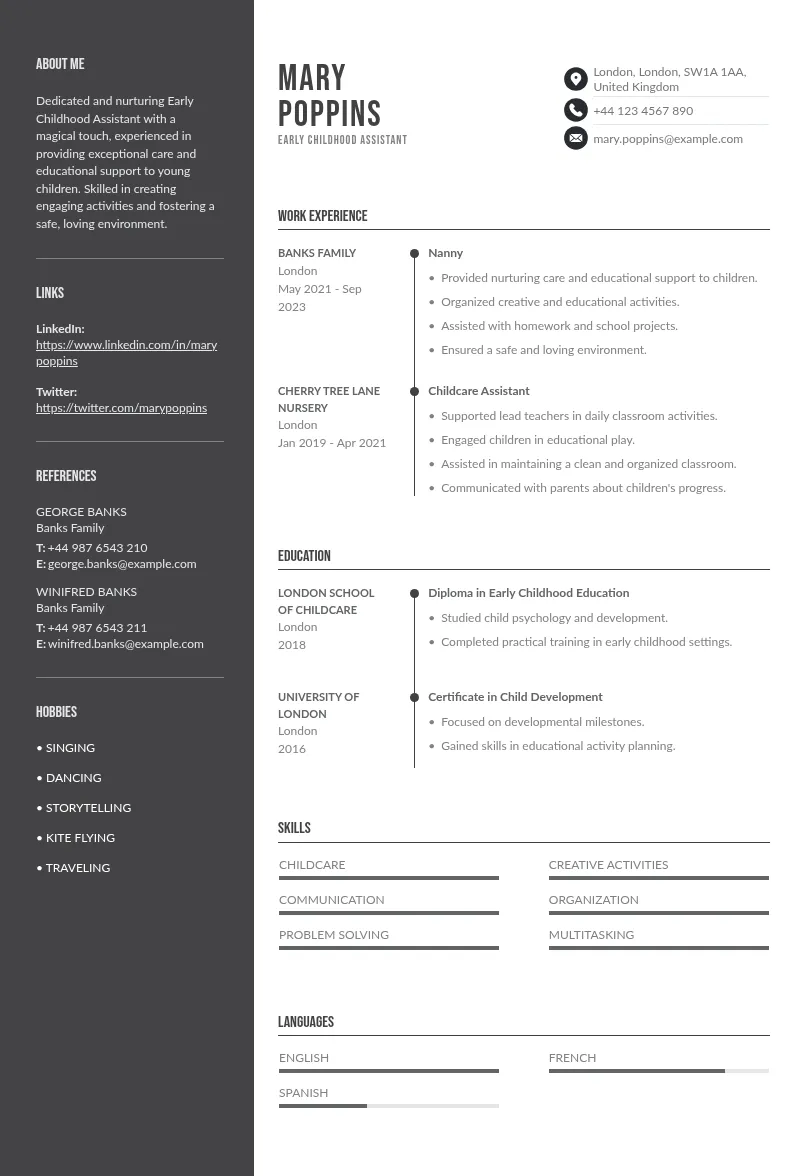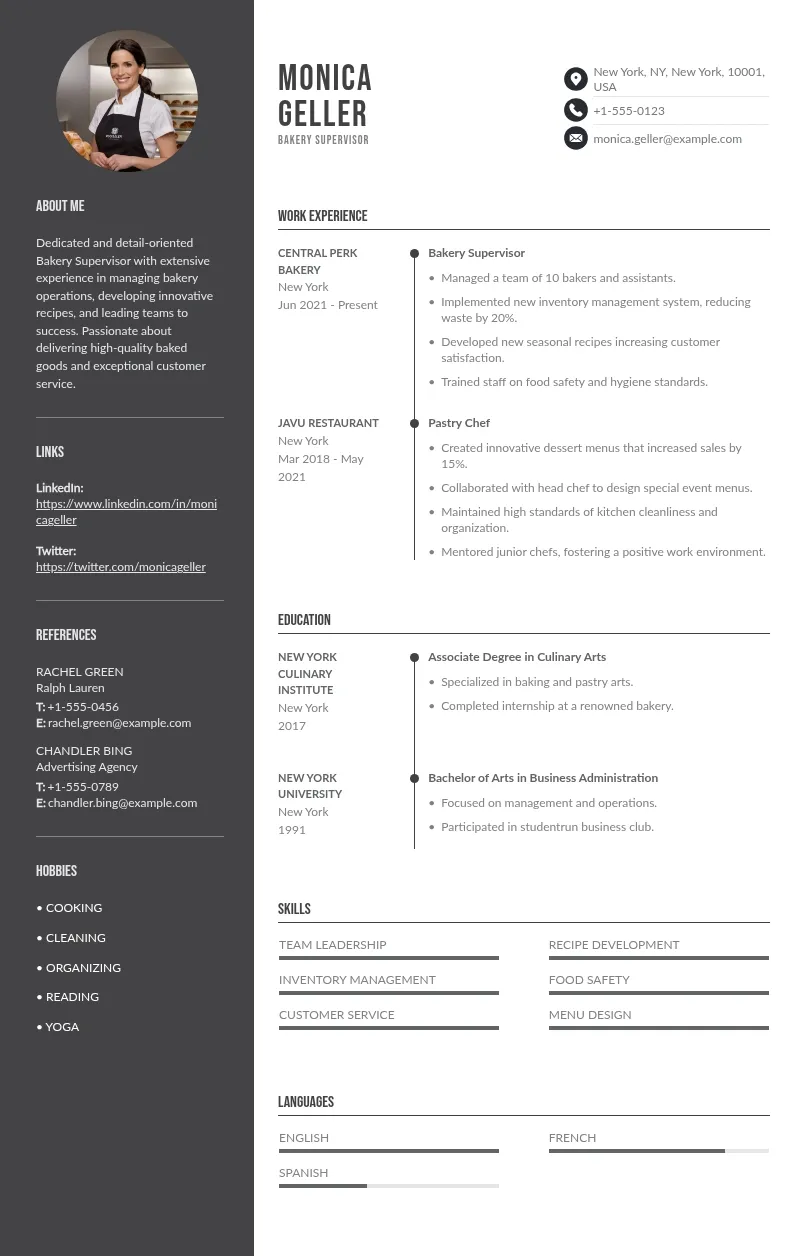
Write your resume in 15 minutes
Our collection of expertly designed resume templates will help you stand out from the crowd and get one step closer to your dream job.


According to global reports from the International Energy Agency and the International Renewable Energy Agency, clean energy jobs are expanding faster than many traditional energy roles worldwide.
The 6 essential skills needed for a career in renewable energy combine technical expertise, analytical thinking, regulatory awareness, and strong communication abilities. Employers are looking for professionals who can design, manage, and optimize renewable energy systems while adapting to rapid technological change.
This article breaks down the six core skills that will help you build a successful and long-term career in renewable energy.

1. Technical Engineering Knowledge
Technical expertise forms the foundation of most renewable energy careers. Whether working in solar, wind, geothermal, hydropower, or battery storage, understanding system design and operational functionality is critical.
Key areas of knowledge include:
- Electrical and mechanical engineering principles
- Energy conversion systems
- Grid integration technologies
- Renewable energy equipment installation and maintenance
- Inverter systems and battery storage solutions
Real-World Application
A solar engineer may:
- Design photovoltaic (PV) system layouts
- Calculate load capacity and output projections
- Test voltage output using multimeters
- Ensure grid compliance and inverter compatibility
A wind turbine technician may:
- Inspect blades at heights exceeding 80 meters
- Diagnose gearbox faults
- Calibrate turbine control systems
- Perform preventive mechanical maintenance
Strong technical knowledge enables professionals to reduce downtime, improve system efficiency, and increase long-term energy output.
Certifications can strengthen credibility, such as:
- Solar certifications from the North American Board of Certified Energy Practitioners
- Wind safety training standards by the Global Wind Organisation
2. Data Analysis and Digital Literacy
Modern renewable energy systems are highly data-driven. Smart grids, storage systems, and predictive maintenance tools generate large volumes of performance data daily.
Professionals in renewable energy jobs must be comfortable using:
- Energy modeling software (e.g., PVsyst, HOMER)
- SCADA monitoring systems
- GIS (Geographic Information Systems) for site planning
- Data visualization dashboards
- Spreadsheet and statistical tools
- Basic programming, such as Python for energy modeling
Day-to-Day Example
An energy analyst might:
- Analyze wind speed or solar irradiance datasets
- Use Python to forecast annual power generation
- Monitor performance dashboards
- Identify inefficiencies that improve output by 8–12%
- Reduce equipment downtime through predictive analysis
Digital literacy allows professionals to:
- Maximize renewable energy efficiency
- Optimize storage performance
- Improve investment decision-making
- Support large-scale infrastructure planning
In 2026, digital and AI-driven optimization tools will become a major competitive advantage in the renewable energy industry.
3. Project Management Skills
Renewable energy projects involve multiple stakeholders, regulatory approvals, and significant capital investments. Strong project management skills ensure smooth execution from planning to commissioning.
Core project management skills include:
- Budget planning and cost control
- Timeline coordination
- Resource allocation
- Risk assessment
- Stakeholder communication
Real-World Example
A large-scale solar farm may require coordination between:
- Engineers
- Environmental consultants
- Construction contractors
- Government regulators
- Financial investors
Even minor delays can impact profitability and return on investment.
Professional certifications such as PMP from the Project Management Institute or PRINCE2 from AXELOS can enhance career progression into leadership roles.
Effective project management ensures renewable energy systems are delivered on time, compliant with regulations, and financially sustainable.
4. Problem-Solving and Critical Thinking
Renewable energy systems operate in dynamic environments influenced by weather conditions, grid variability, and technological performance.
Professionals must be able to:
- Diagnose system inefficiencies
- Identify root causes of equipment failures
- Optimize energy output
- Adapt to evolving technology
Real-World Scenario
If a solar array underperforms, engineers may analyze:
- Shading and environmental factors
- Inverter malfunctions
- Wiring configuration issues
- Battery storage integration
- Grid synchronization performance
Strong critical thinking can:
- Reduce system downtime by 10–15%
- Improve energy reliability
- Increase operational lifespan of equipment
Employers value renewable energy professionals who can independently analyze complex problems and implement effective solutions.
5. Knowledge of Environmental Regulations, Safety, and Policy
Renewable energy operates within strict environmental and occupational safety frameworks. Understanding compliance requirements is essential for securing permits and funding.
Important knowledge areas include:
- Local and national renewable energy policies
- Environmental impact assessments
- Carbon emission regulations
- Electrical safety standards
- Working-at-height safety protocols
- Compliance reporting and documentation
For example, wind turbine technicians must follow rigorous safety procedures due to high-altitude maintenance risks. Solar installations must meet electrical inspection standards and grid integration compliance requirements.
Regulatory awareness helps organizations:
- Avoid legal penalties
- Secure faster project approvals
- Maintain environmental responsibility
Organizations such as the International Renewable Energy Agency and the International Energy Agency publish policy guidance that shapes global clean energy strategies.
Safety and compliance skills significantly enhance professional credibility in renewable energy careers.
6. Communication and Team Collaboration
Renewable energy projects require coordination between engineers, policymakers, investors, and community stakeholders.
Strong communication skills are essential for:
- Explaining technical concepts to non-technical audiences
- Writing detailed project documentation
- Presenting energy performance data
- Managing cross-functional teams
- Engaging with local communities
Real-World Example
A sustainability manager may present carbon reduction projections to executives.
An engineer may explain grid upgrade plans to regulatory bodies.
Clear communication builds trust, prevents misunderstandings, and accelerates decision-making.
Professionals who combine technical skills with strong interpersonal abilities often advance more quickly into supervisory or strategic leadership roles.

How to Develop These Renewable Energy Skills
Building these six essential skills requires a combination of education, hands-on experience, and continuous learning.
Practical ways to develop them include:
- Pursuing degrees in renewable energy, engineering, or environmental science
- Completing online certifications in solar or wind technologies
- Participating in internships or apprenticeships
- Attending industry workshops and conferences
- Gaining experience with energy modeling software
Entry-level roles such as solar technician or energy analyst provide valuable exposure to real-world systems. Over time, experience strengthens both technical and soft skills.
Once you’ve developed these skills, presenting them effectively to employers becomes critical.
Career Opportunities That Require These Skills
Professionals who master these renewable energy skills can pursue diverse career paths, including:
- Solar Engineer
- Wind Energy Technician
- Renewable Energy Consultant
- Energy Analyst
- Sustainability Manager
- Grid Integration Specialist
Each of these roles requires a combination of technical knowledge, analytical thinking, and communication skills.
According to global energy employment reports, clean energy jobs continue to grow steadily as countries transition toward sustainable power solutions. This makes renewable energy a stable and future-oriented career choice.
Conclusion
The renewable energy industry offers long-term career growth, innovation-driven opportunities, and meaningful global impact. As countries accelerate the transition toward cleaner power systems, demand for skilled renewable energy professionals continues to rise.
The 6 essential skills needed for a career in renewable energy are technical engineering knowledge, data analysis and digital literacy, project management, critical thinking, regulatory and safety awareness, and communication form the foundation for long-term success in this evolving sector.
Professionals who continuously update their technical expertise, strengthen their digital capabilities, and stay informed about regulatory developments will remain competitive in a rapidly advancing industry. By investing in education, certifications, and hands-on experience, you can build a resilient and future-ready career in renewable energy.
Create your resume with the best templates