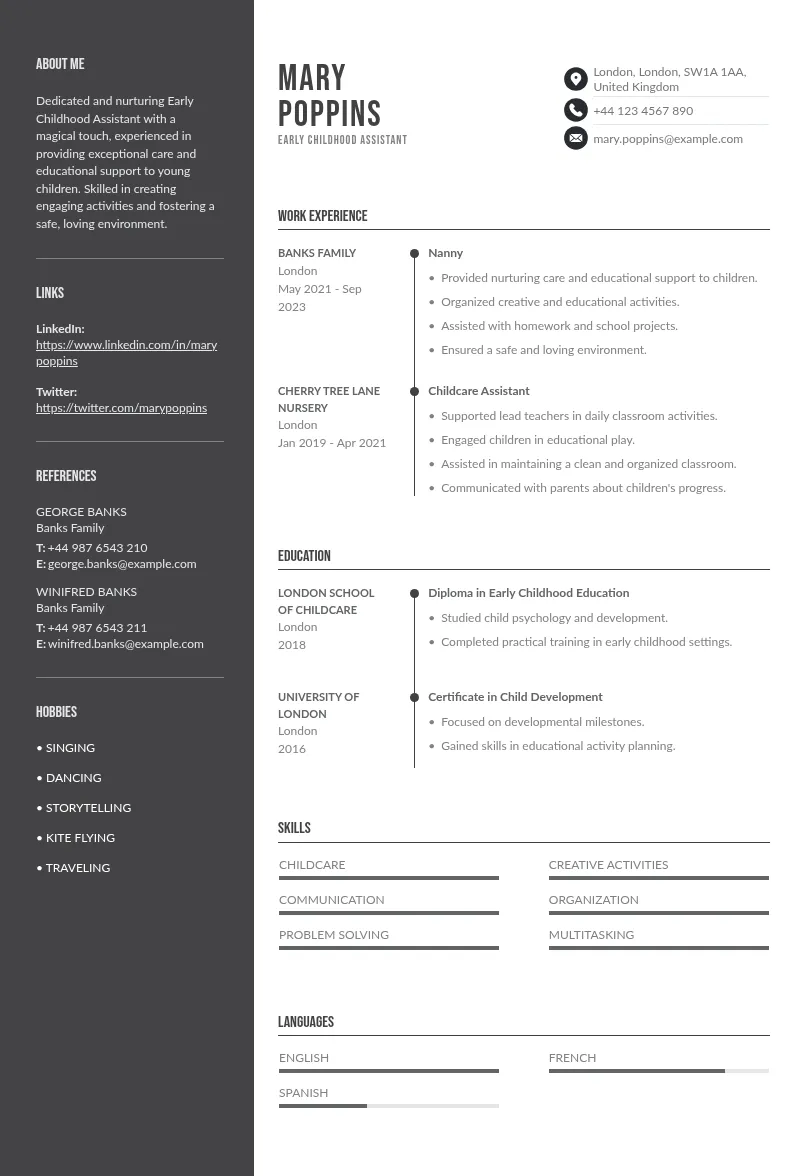
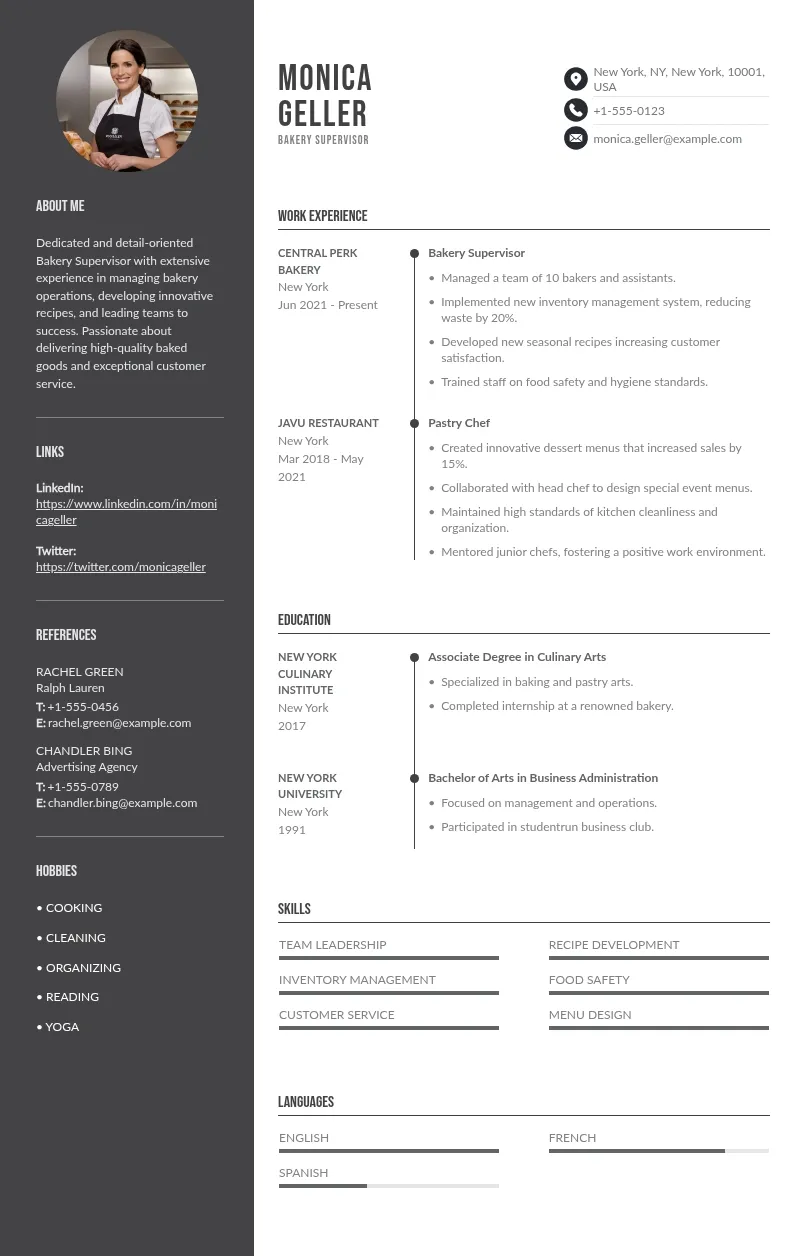
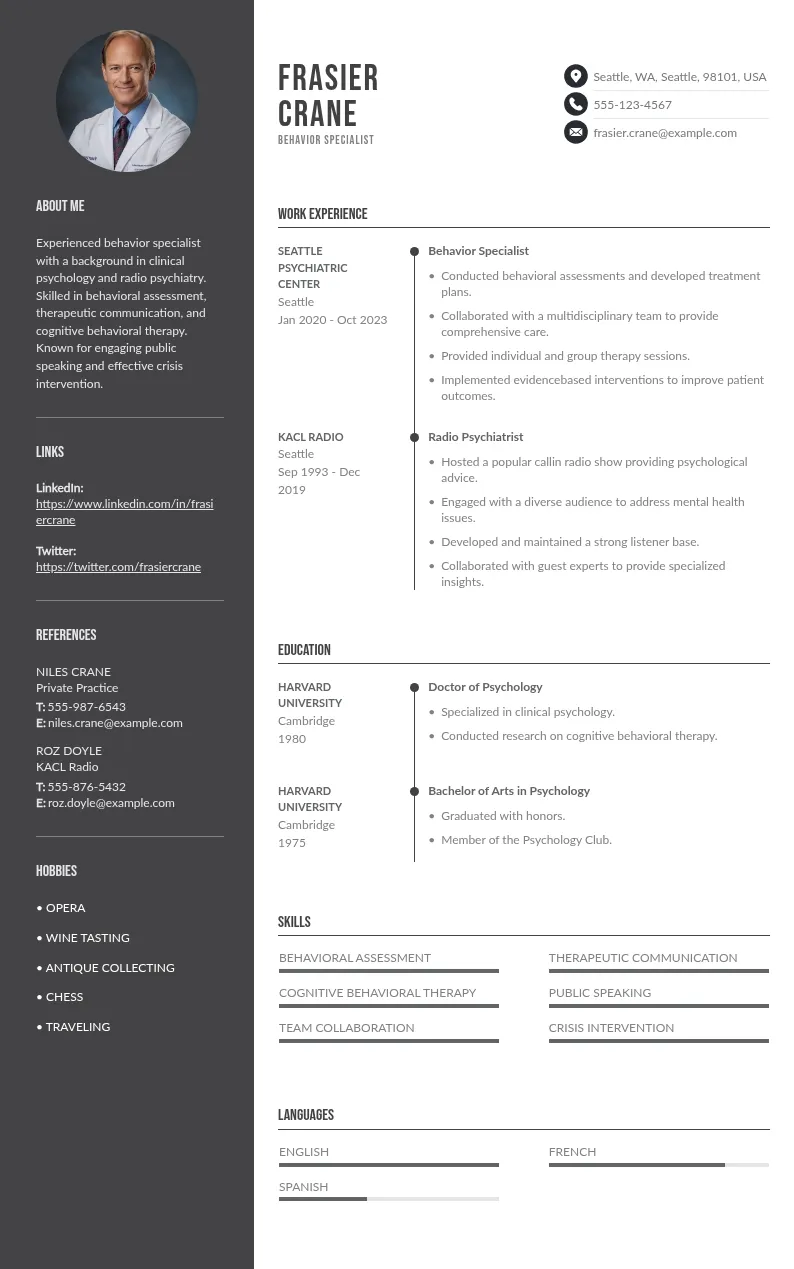
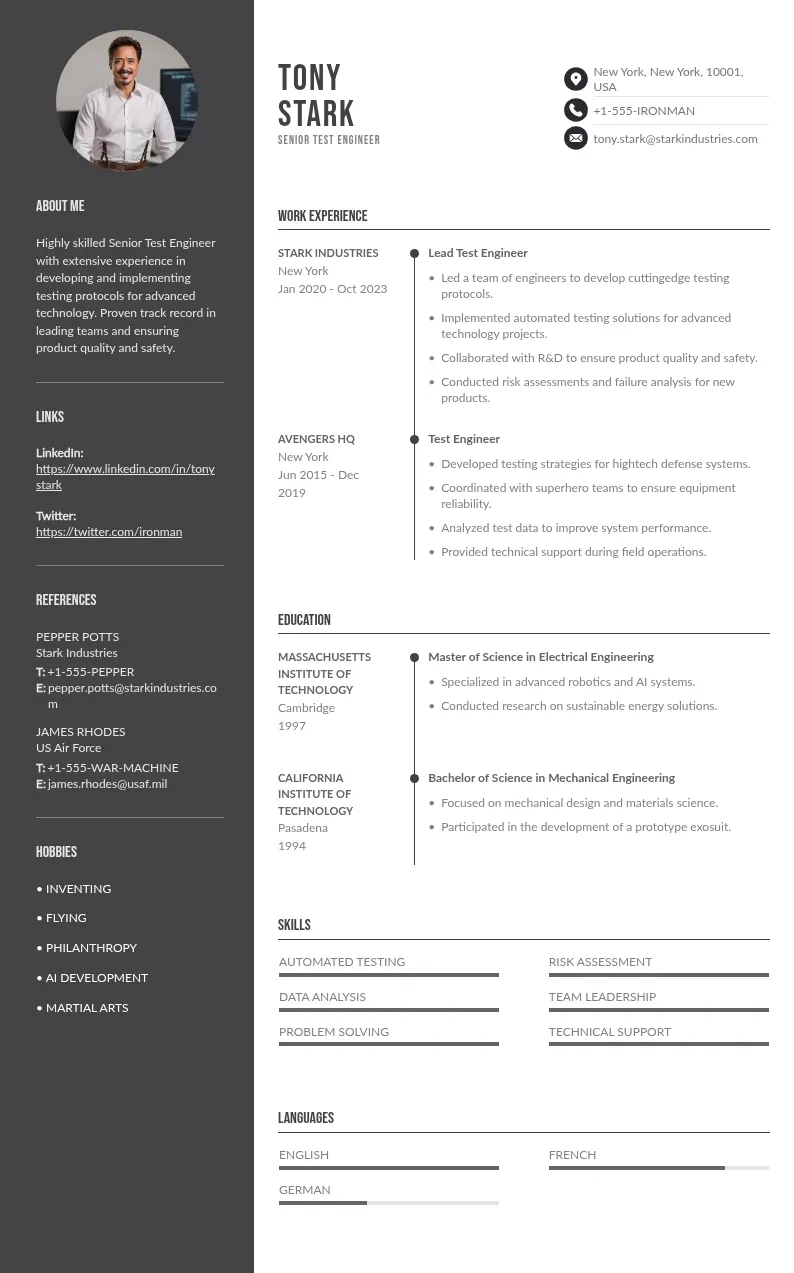
This guide walks through exactly what works. You'll see five CV examples built for the Saudi market: engineers targeting oil and gas, healthcare professionals applying to Ministry of Health facilities, IT specialists going after STC or NEOM projects, finance experts seeking positions at NCB or Al Rajhi Bank, and hospitality workers chasing Vision 2030 tourism roles.
Each example shows the format, the details that matter, and what to skip.
Let's start.
Saudi Arabia CV Examples
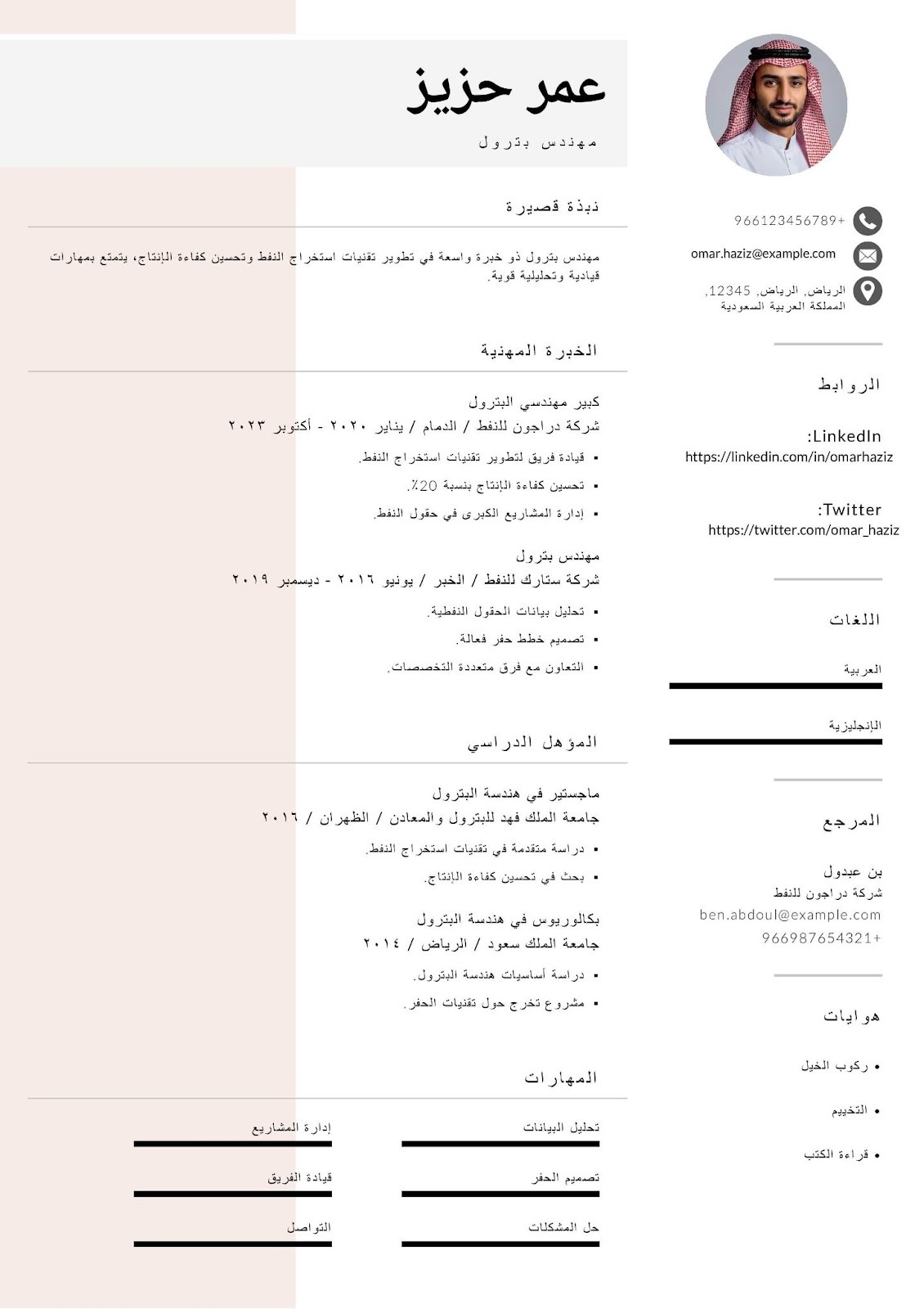
Petroleum Engineer CV - Saudi CV Format
This format works for petroleum engineers targeting Saudi Aramco, Schlumberger, Halliburton, Baker Hughes, and the contractors running operations across the Eastern Province. You need to show you understand SAES standards and can deliver real results on projects like Ghawar, Safaniya, or Manifa.
Saudi petroleum engineers work on upstream operations. Drilling, reservoir engineering, production optimization for the world's largest oil fields. Employers want engineers who cut non-productive time and boost well productivity. Navigating Saudi regulatory requirements? That's baseline. Training local talent under Vision 2030? That's what separates you from other candidates.
Start with your specialization - drilling, reservoir, production - and any Gulf experience. List actual software: Petrel, Eclipse, PIPESIM. Numbers matter here: "boosted productivity 12%" or "shaved 18 days off Campaign X drilling time" - that's what Saudi employers want to see.
Additional Tips
- Talk about Saudization without overthinking it. Managing a team? Mention the Saudi nationals you trained. Vision 2030 isn't just a buzzword here - Aramco actually tracks how many local engineers you develop. If you've mentored three Saudi junior petroleum engineers while delivering a project on schedule, that's worth more than generic leadership claims.
- Name the software you actually use, not what you think sounds impressive. Petrel for reservoir modeling? Eclipse for simulation? PIPESIM for production analysis? Those tools run Saudi oil and gas projects daily. Recruiters know the difference between someone who lists "reservoir simulation software" and someone who's logged 500 hours in Eclipse.
- Three pages works. Four pages doesn't. Saudi CVs run longer than Western resumes because employers want project details, but there's still a limit. Your last three years deserve full breakdowns. Everything before that? One line per role. If you can't fit your career into three pages, you're either including irrelevant jobs or writing paragraphs where bullet points belong.
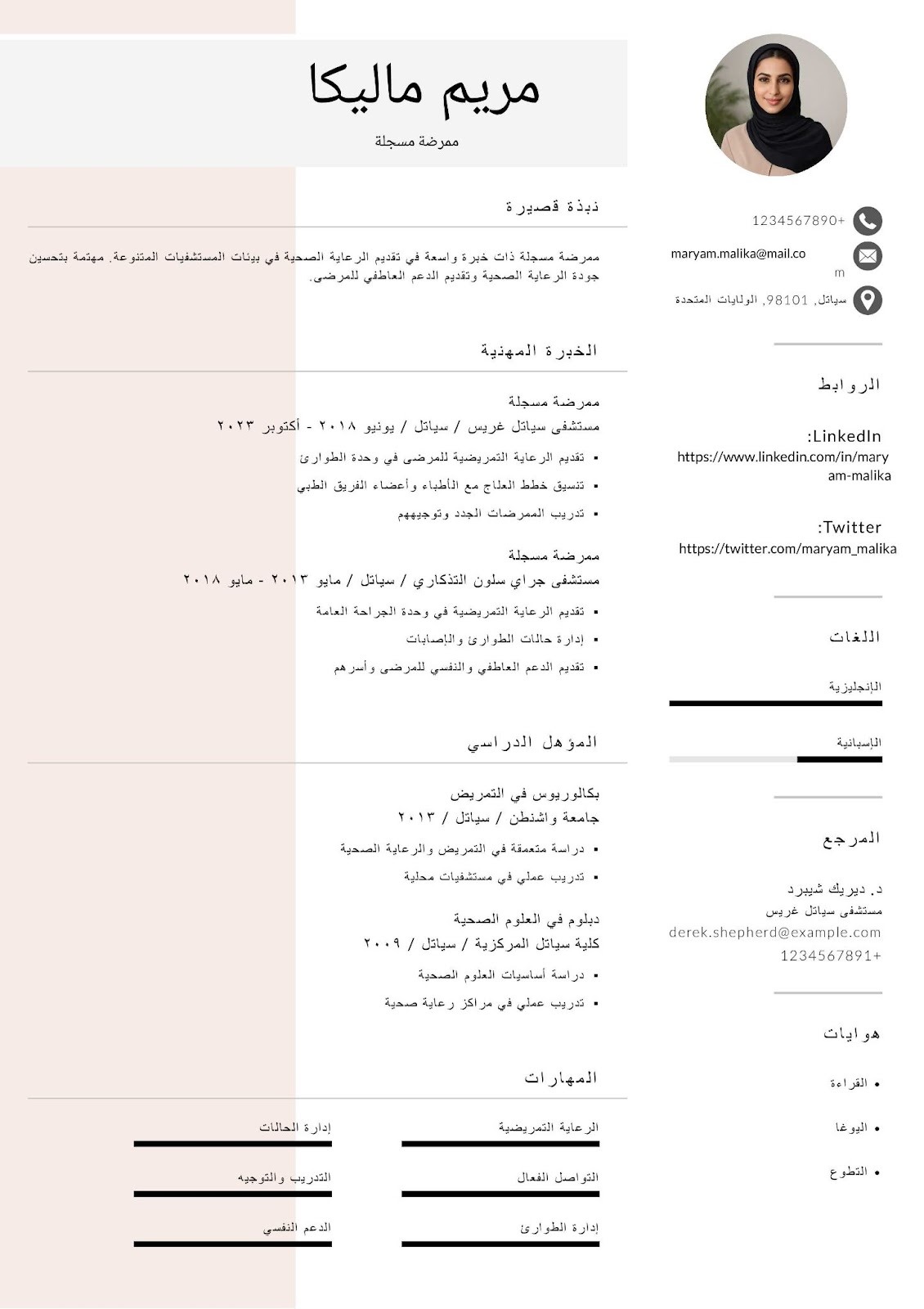
Registered Nurse CV - Saudi CV Example
This format targets registered nurses applying to Ministry of Health hospitals, private facilities like Kingdom Hospital or Dr. Sulaiman Al Habib Medical Group, and specialized clinics across Riyadh, Jeddah, and Dammam. SCFHS classification comes first for Saudi healthcare employers. Clinical experience in similar settings comes second.
Nurses in Saudi Arabia work everywhere from hospital ICUs to specialized care units handling pilgrims during Hajj season. You need to understand Saudi protocols. Equipment? Philips monitors, Dräger ventilators - the brands used here daily. The administrative systems slow down new hires who've never worked in the Gulf.
Start with your SCFHS registration status and specialty certifications - critical care, pediatrics, oncology. Arabic isn't optional if you're patient-facing. Conversational Arabic handles daily rounds. Medical vocabulary? That's what separates you from other candidates.
Additional Tips
- List your SCFHS classification prominently, along with any Saudi Council certifications. General nursing registration is baseline. Specialty certifications - critical care, pediatrics, oncology - should be front and center. Don't make recruiters hunt for this information - it's the first filter they use when screening hundreds of applications for positions at Aramco hospitals or National Guard Health Affairs facilities.
- Arabic proficiency isn't optional if you're doing patient-facing work. Conversational Arabic gets you through daily rounds. Medical Arabic vocabulary separates decent candidates from excellent ones. If you can discuss symptoms, explain procedures, and document in Arabic, you're infinitely more valuable than someone who needs a translator for every elderly patient in Mecca or rural clinics outside Riyadh.
- Name the hospital systems and EMR platforms you've used. Saudi hospitals run on specific software - Cerner and Epic are common in larger facilities. If you've worked with these systems in a Gulf setting, mention it. Training a new hire on an EMR costs hospitals time and money they'd rather not spend.
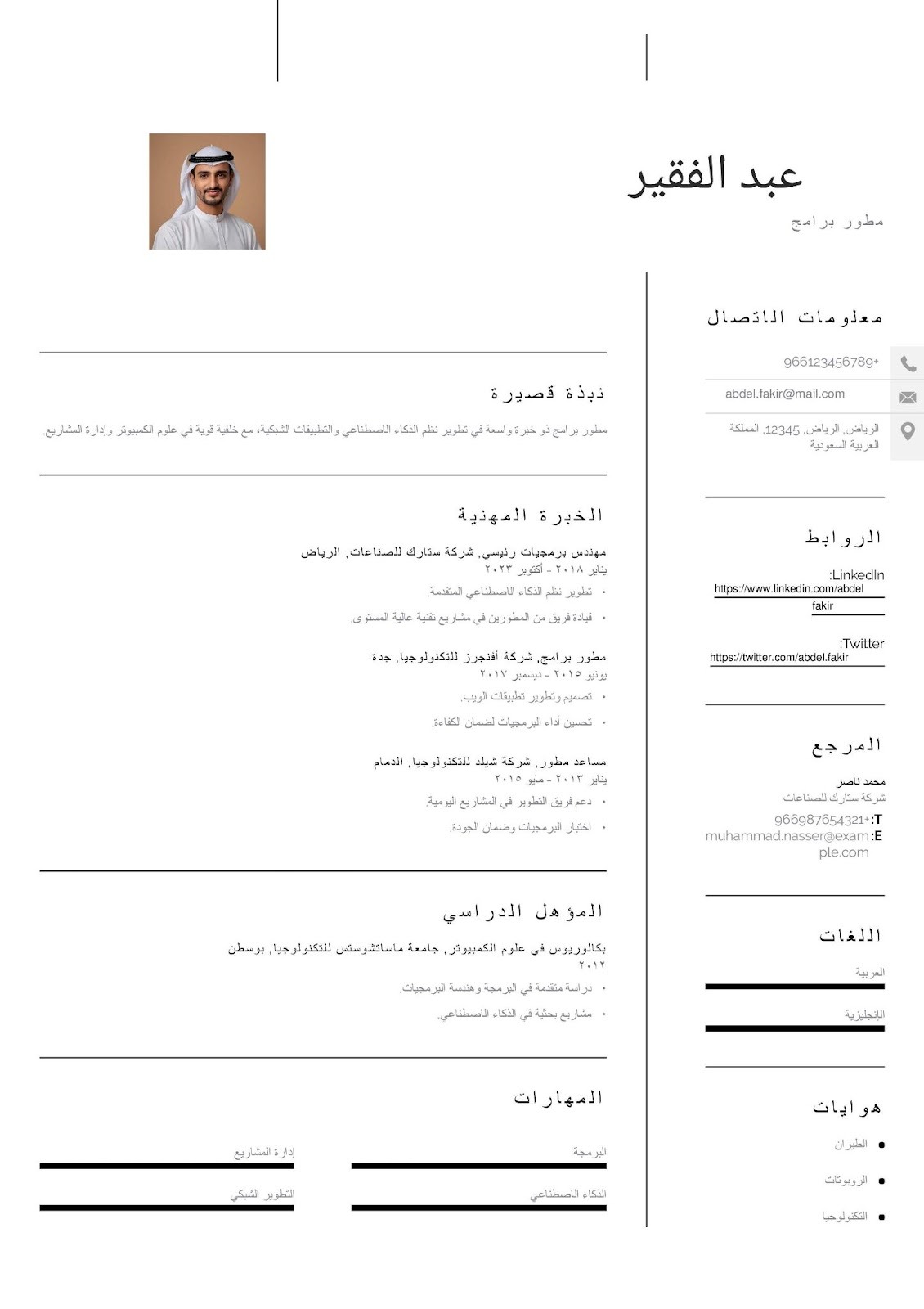
Software Developer CV - Saudi Format
This format works for software developers, full-stack engineers, and mobile app developers targeting Saudi tech companies. STC, Careem, Tamara, the digital transformation projects across government ministries, NEOM's tech infrastructure. GitHub matters more than your degree here.
Saudi software developers build fintech platforms, e-commerce systems, and government digital services. Employers want shipped production code - not just GitHub repos sitting there. You need to understand Arabic localization. Right-to-left layouts, Hijri calendar systems. Saudi-specific platforms like Absher or Mada payment processing? Those separate you from developers who've only worked in Western markets.
Open with your tech stack. Python? JavaScript? React and Node.js? Whatever you actually code in daily. GitHub link goes in the header next to your email. Show the impact with numbers: "integrated Moyasar payment API now handling 50K+ monthly transactions at 99.8% uptime" works better than "built payment gateway."
Additional Tips
- Arabic localization experience counts for more than most developers realize. Building for Arabic-first users? You need right-to-left layouts. Proper text rendering. Hijri calendar integration too. If you've worked on bilingual platforms or built Arabic interfaces for Saudi apps, mention it. Companies like Jahez or HungerStation need developers who won't treat Arabic as an afterthought.
- Name the actual tools used in Saudi tech companies. GitLab for version control? Jira for tracking? Slack or Teams for communication? Saudi startups run on these daily. Familiar with Absher integration or Mada payment processing? That's gold for government and fintech projects.
- Keep your CV to two pages if you have under five years of experience, three pages maximum otherwise. Developers get shorter CVs because GitHub shows the real work. Highlight your strongest projects, link to the code. A recruiter at STC Solutions would rather review your repositories than read five pages of bullet points.
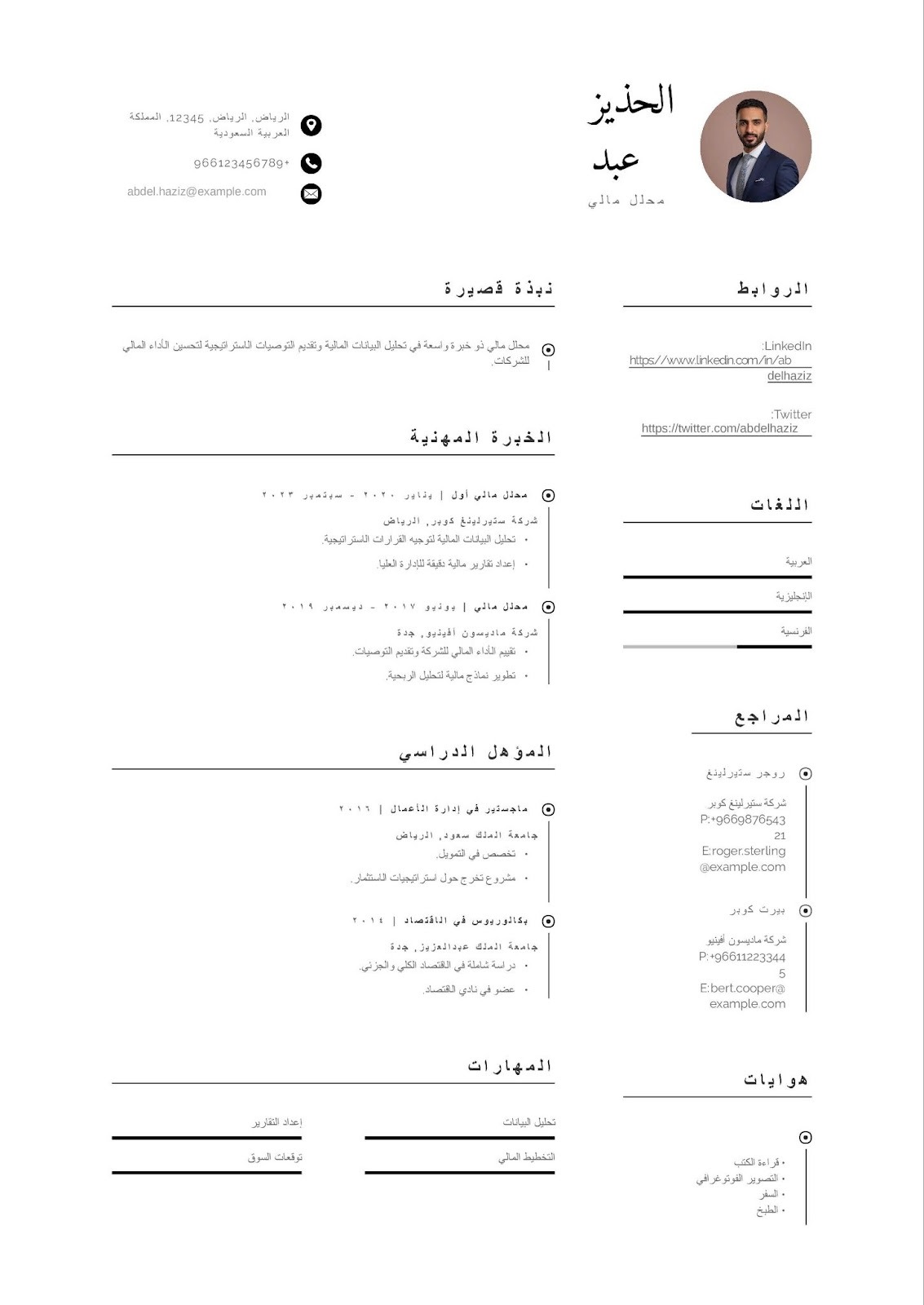
Financial Analyst CV - Saudi Format
This format targets financial analysts, FP&A specialists, and corporate finance professionals applying to Saudi banks like NCB, Al Rajhi Bank, SAMBA, investment firms like Jadwa Investment, and corporate finance departments at Aramco, SABIC, or PIF. SOCPA standards govern financial reporting here, not GAAP or IFRS alone.
Financial analysts in Saudi Arabia prepare financial statements, build forecasting models, analyze budget variances, and ensure Zakat and tax compliance for corporations and banks. Employers need analysts who understand the Hijri calendar's impact on business cycles, can explain budget variances to Saudi executives in Arabic, and forecast accurately despite seasonal patterns like Ramadan retail shifts or fiscal year-end government spending.
Certifications go first: CFA, CPA, ACCA. Can you explain budget variances to Saudi executives in Arabic? That matters more than most analysts realize. Show impact with specifics - "managed ₽500M portfolio" or "94% forecast accuracy for Ma'aden quarterly revenue" - not generic responsibility lists.
Additional Tips
- The Hijri calendar runs Saudi business cycles, and you need to understand what that means for planning. Budget deadlines shift. Ramadan changes retail revenue. Government spending accelerates before fiscal year-end. If you've worked in the Gulf and know these rhythms, say it upfront. This separates analysts who forecast accurately from those using Western assumptions.
- List the financial software you've actually used in Saudi or Gulf environments. SAP and Oracle dominate large Saudi corporations. Pulled data from SAP FI/CO or built Oracle Hyperion reports? That's immediately relevant. QuickBooks and Xero? Those work for smaller operations. Enterprise roles at banks and multinationals expect SAP proficiency as the starting point, not a bonus.
- Keep your CV to two pages maximum. Financial analysts don't need three-page histories. Your last five to seven years matter most. Everything before that? One line per role unless it relates to Saudi markets. Al Rajhi Bank recruiters want your recent FP&A work, not that 2014 entry-level position.
Hotel Operations Manager CV - Saudi Format
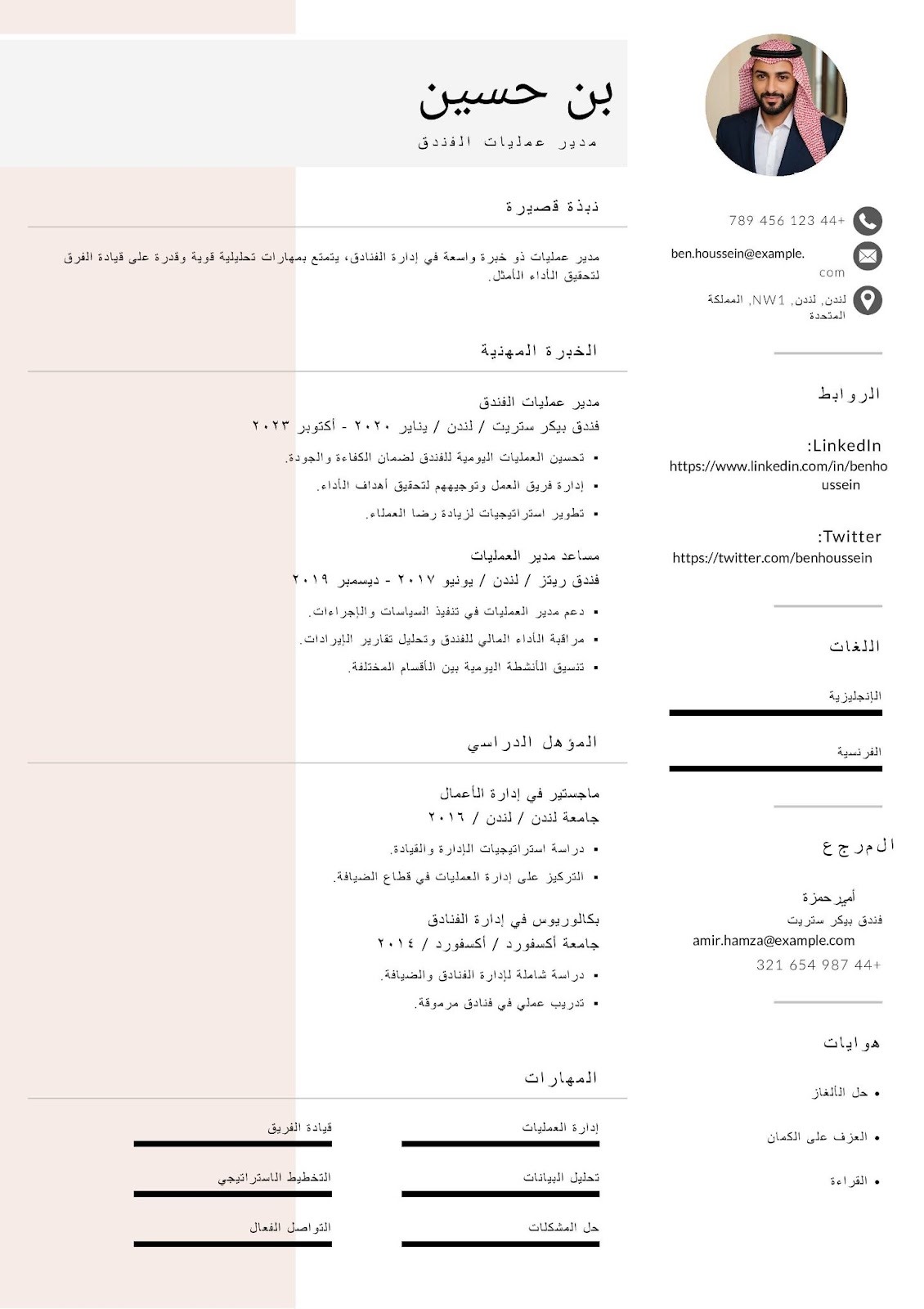
This format works for hotel operations managers, guest services managers, and hospitality directors targeting Vision 2030 tourism projects - luxury resorts in AlUla and the Red Sea, pilgrimage hotels in Mecca and Medina, business hotels in Riyadh's financial district. You need to prove you understand international service standards AND local cultural expectations.
Hotel operations managers in Saudi Arabia oversee property operations including F&B outlets, housekeeping, guest services, event spaces, and staff teams often exceeding 200 people. Employers need managers who've handled gender-segregated facilities, prayer time accommodations, Hajj season surge capacity, and can maintain profitability during off-peak months while working with brands like Marriott, Hilton, or Rotana.
Start with your property experience and occupancy rates you've maintained. A 12% RevPAR increase or 92% occupancy during off-peak months tells them more than job descriptions. Religious tourism experience in Mecca or Medina? That's rare and valuable.
Additional Tips
- Religious tourism experience is rare and valuable. Hotels in Mecca and Medina serve millions of pilgrims annually. If you've worked in these cities, that's specialized knowledge Saudi hotel chains expanding near the holy sites actually need. Prayer schedules, halal certification, Hajj season intensity - you don't pick this up in a training session.
- List the property management systems you know. Opera PMS dominates Saudi hotels. If you've used it for reservations, housekeeping, revenue management - mention it. Experience with booking.com, Agoda, or Almosafer matters too. Saudi properties need managers who can optimize distribution channels independently.
- Keep your CV to two pages unless you're applying to director-level positions. Operations managers with 8-10 years fit everything into two pages. Directors with regional operations? Maybe three. Anything longer means outdated info or poor prioritization. A recruiter at Rosewood cares about your last decade, not that front desk role from fifteen years ago.
English Teacher CV - Saudi Format
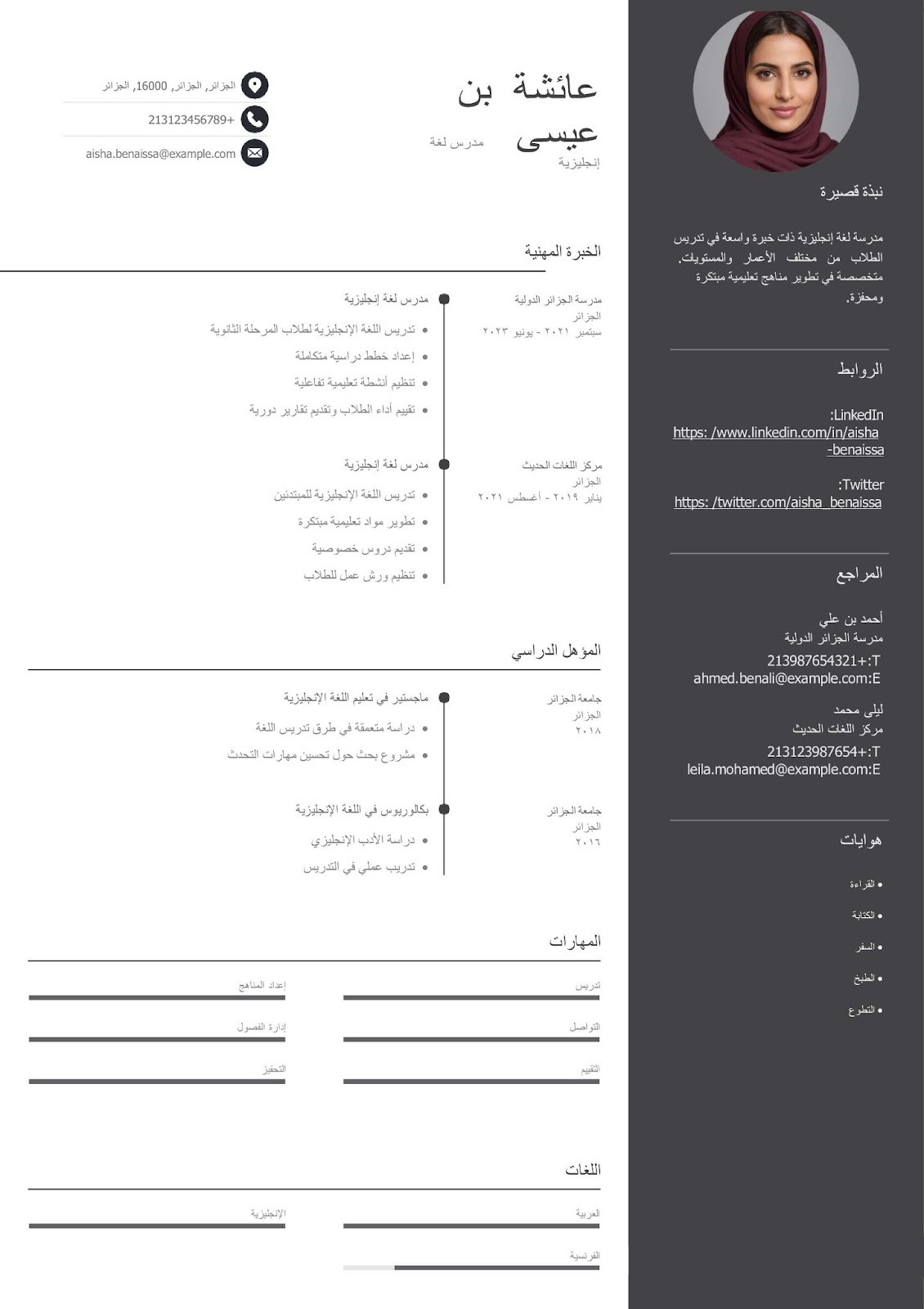
This format targets English teachers, ESL instructors, and academic coordinators applying to international schools, universities like King Saud or Princess Nourah, and language institutes across Riyadh, Jeddah, and Dammam. Teaching certifications come first for Saudi education employers. Classroom experience with Middle Eastern students comes second.
English teachers in Saudi Arabia work everywhere from international school classrooms to university lecture halls to corporate training rooms. You need to understand gender-segregated teaching environments. Adapting curriculum to Saudi cultural contexts? That's not optional. Your students' first language uses different alphabets and grammar structures - experience with this matters.
Lead with your certifications: TEFL, CELTA, TESOL, teaching licenses from your home country. Use real numbers to show what you delivered: "taught 120+ students across 6 classes" or "students improved IELTS scores by average 1.5 bands in 12 weeks."
Additional Tips
- Teaching certifications carry more weight in Saudi Arabia than you might expect. TEFL, CELTA, TESOL? Those are baseline for language institutes. UK, US, Canada, Australia teaching licenses work for international schools. Master's in Education or TESOL? That opens university positions. Put credentials right after your name or in a prominent section.
- Classroom management experience with Middle Eastern students is valuable. Saudi students learn differently - more respect for teacher authority, less comfortable with open debate. If you've taught in the Gulf and understand these dynamics, say it. Schools want teachers who won't spend three months figuring out what works here.
- Keep your CV to two pages unless you're applying to university positions requiring research publications. Language institutes and schools need teaching experience, certifications, student outcomes. University positions might need three pages for publications and conference presentations. Match CV length to the role level.
Logistics Manager CV - Saudi Format
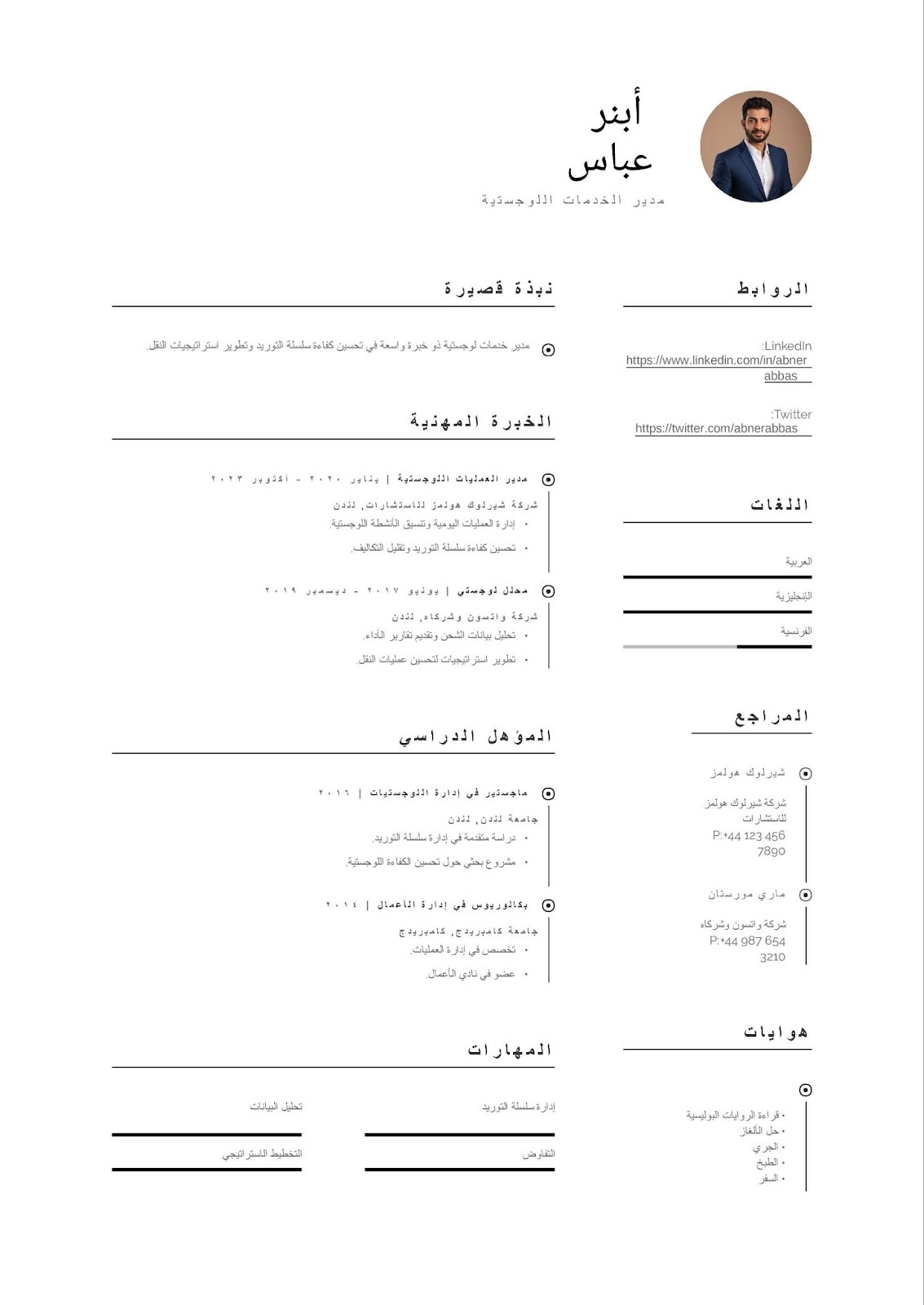
This format targets logistics managers, supply chain coordinators, and warehouse operations managers applying to companies in Saudi ports like Jeddah and Dammam, distribution centers, and supply chain operations for oil & gas, retail, and manufacturing. Regional customs procedures matter here. So do last-mile delivery challenges and supply chain networks across the Gulf.
Logistics managers in Saudi Arabia handle warehousing, transportation, customs clearance, inventory management, and distribution networks from ports to inland facilities. Employers need managers who've dealt with Saudi customs documentation (ZATCA requirements), coordinated shipments through King Abdulaziz Port or King Fahd Industrial Port, and managed regional distribution across GCC countries.
Start with scope and actual numbers: "managed 50,000 sq ft warehouse" or "coordinated 200+ monthly shipments across GCC." Which systems do you work with? SAP WM? Oracle SCM? Regional platforms like Aramex or SMSA for last-mile? List them.
Additional Tips
- Customs and regulatory knowledge separates experienced logistics managers from those new to Saudi Arabia. ZATCA documentation, import/export licenses, special permits for certain products - you don't learn these quickly. Cleared shipments through Saudi ports? Handled customs compliance for oil & gas equipment? Mention it. Companies want managers who won't cause delays because they don't know the regulations.
- Regional distribution experience matters more than global supply chain theory. Saudi Arabia sits between three continents. Logistics here means GCC border coordination, regional carriers, distribution during extreme heat or sandstorms. Worked in Gulf logistics? Know which carriers handle desert routes reliably? Say it upfront.
- Keep your CV to two pages for most logistics roles, three for senior supply chain director positions. Warehouse and transportation managers need the last 5-7 years of operational experience. Senior directors managing multi-country supply chains might need three pages for strategic projects. Focus on measurable outcomes: reduced delivery times, cut costs, improved inventory accuracy.

How to Create a Saudi Arabia CV: Step-by-Step Guide
Layout & Structure Guidelines
Forget the one-page rule. That's Western advice that doesn't apply here. Saudi CVs run two to three pages as standard, sometimes longer for senior roles with extensive project histories. Employers expect detail - what you've actually accomplished, not just job titles and dates.
Start with a professional photo. Yes, this feels outdated if you're coming from Canada or the UK, but Saudi employers expect it. High-quality headshot, neutral background, business attire. Women should dress conservatively - hijab is fine but not required unless applying to government ministries or religious institutions.
Your header goes at the top: full name, professional title, phone number with country code, email, LinkedIn profile. Below that: nationality, date of birth, marital status, current visa status. This information is mandatory in Saudi CVs.
Keep fonts professional: Arial, Calibri, Times New Roman. Size? Between 10 and 12 points. Black text on white background. Section headings should be bold and clearly separated. Use consistent formatting throughout.
PDF format is safer than Word. It preserves your formatting across devices and operating systems. Saudi recruiters review applications on mobile devices constantly - a PDF ensures they see what you intended.
Essential CV Sections
Personal Information
This section sits right below your photo and header. Full name, nationality, date of birth (DD/MM/YYYY format), marital status, current visa status. Are you on a work visa? Dependent visa? Looking for sponsorship?
Saudi employers need this upfront. It affects hiring decisions, salary negotiations, whether they need to handle visa transfers. A candidate already in Saudi Arabia on a transferable Iqama is easier to hire than someone requiring full sponsorship from abroad.
Add your Iqama number if you're currently working in Saudi Arabia. This tells employers you're legally authorized to work and whether you need an NOC (No Objection Certificate) from your current sponsor to switch jobs.
Skip political affiliations. Religious details too, unless applying to religious institutions. Your father's name? Passport number? Those belong in official government forms, not your CV.
Professional Summary
Two to four sentences at most. This isn't the place for generic statements about being a "results-driven professional with strong communication skills." Saudi recruiters have seen that phrase ten thousand times.
Lead with your specialty and years of experience. Gulf region experience? Mention it first. Arabic proficiency? Say the level - conversational, business fluent, native. Worked with Saudi companies before? Reference it briefly but specifically.
That's specific. That's useful. That gets read.
Work Experience
List your jobs in reverse chronological order - most recent first. For each position, include the company name, your job title, location, and dates (month and year).
Under each role, add three to six bullet points describing what you accomplished. Not what you were responsible for - what you actually delivered. Use numbers whenever possible. Percentages, cost savings, revenue growth, team sizes, project budgets.
If you've worked for well-known Saudi companies - أرامكو السعودية (Saudi Aramco), سابك (SABIC), الاتصالات السعودية (STC), البنك الأهلي (NCB), معادن (Ma'aden) - mention them prominently. These names carry weight with local employers. If you've worked for international companies on Saudi projects, specify which projects and where. "أدرت عمليات البناء لشركة بكتل في مشروع مترو الرياض الخط البنفسجي (Managed construction operations for Bechtel on Riyadh Metro Purple Line extension)" beats "عملت على مشاريع البنية التحتية (worked on infrastructure projects)."
Use action verbs at the start of each bullet point. قدت (Led), طورت (Developed), نفذت (Implemented), خفضت (Reduced), زدت (Increased), أدرت (Managed), نسقت (Coordinated). Avoid passive language like "كنت مسؤولاً عن (was responsible for)" or "شملت الواجبات (duties included)."
Education
Most recent degree first, then work backward. Include the degree name, major, university, location, and graduation year.
If you studied in Saudi Arabia or anywhere in the Gulf, mention it. Local degrees or regional education experience signals you understand the academic systems and professional standards here.
For degrees earned outside Saudi Arabia, you may need to get them attested by the Ministry of Foreign Affairs in your home country and then by the Saudi embassy. If you've already completed this process, you can mention "الشهادة مصدقة من وزارة التعليم السعودية (Degree attested by Saudi Ministry of Education)" to show you're ahead of the game.
Skip your high school information unless you're a recent graduate with no work experience. Once you have a university degree and professional experience, high school becomes irrelevant.
Skills
Split this into three categories: Technical Skills, Languages, Software/Tools.
Technical Skills should list what you actually do in your field. Engineers might include project management, quality control, and specific methodologies. IT professionals? List the programming languages and frameworks you know. Finance people need financial modeling, analysis techniques, that kind of thing.
Languages need proficiency levels. Writing just "العربية (Arabic)" tells them nothing. "العربية: طلاقة في الأعمال (Arabic: Business fluent)" or "العربية: محادثة (Arabic: Conversational)" - that's useful. Multiple Arabic dialects? Mention them. Egyptian Arabic differs from Gulf Arabic. Employers notice.
Software/Tools should list programs you use regularly. "مايكروسوفت أوفيس (Microsoft Office)" doesn't count - everyone uses Word. List specialized software that matters in your industry. SAP for finance and operations. AutoCAD for engineers. Adobe Creative Suite for designers. Be specific.
Certifications
Saudi employers care about professional certifications. A lot. List any relevant credentials with the issuing organization and the date you received them.
Certain certifications carry serious weight here. PMP for project managers. CFA or CPA for finance roles. NEBOSH for safety positions. SCFHS registration for healthcare workers. Professional engineering licenses. LEED for construction. CISSP for IT security.
Your certification recognized specifically in Saudi Arabia or the Gulf region? Mention it prominently. SCFHS registration for healthcare professionals is mandatory - list your classification level and registration number where recruiters will see it immediately.
Expired certifications don't count. Your PMP lapsed three years ago and you haven't renewed it? Leave it off. Recruiters check these things.
Additional Sections for Saudi CVs
Visa & Legal Status
This matters more in Saudi Arabia than almost anywhere else. Your visa status affects whether an employer can hire you quickly or needs to wait months for approvals.
If you're already in Saudi Arabia on a transferable Iqama, say it clearly. Add whether you need an NOC (No Objection Certificate) from your current sponsor. "Transferable Iqama - No NOC required" is the golden phrase that gets attention from recruiters.
Looking for sponsorship from outside Saudi Arabia? Mention it, but understand this makes you a harder hire. Employers need to justify bringing someone from abroad when local talent is available. You better have skills that make the visa sponsorship cost and time worth it.
Include your Iqama number if you're currently working in the Kingdom. Some employers won't even review applications without this information because it signals you're legally authorized to work and understand the system.
References
Saudi employers expect references. Not just "references available upon request" - actual names and contact information.
List two to three professional references. Include their full name, job title, company, phone number with country code, and email address. Make sure these are people who can speak to your work quality and professional character.
Former supervisors work best. Colleagues are fine if you don't have supervisor contacts. Avoid using friends or family members - Saudi recruiters want professional references, not personal character witnesses.
If any of your references are Saudi nationals or have worked in Saudi Arabia, mention their location. A reference from someone who understands the Saudi work environment carries more weight than someone who's only worked in Western markets.
Get permission before listing someone as a reference. Seems obvious, but recruiters do call these contacts. You don't want your reference caught off guard or worse, giving you a lukewarm recommendation because they weren't prepared.
Regional Differences Across Saudi Arabia
Riyadh: Corporate Headquarters and Government Focus
Riyadh is the capital. That shows up in what employers expect from your CV.
Government ministries, corporate headquarters, financial institutions - they want formal, detailed CVs. Stability matters here. So does hierarchical experience. If you're applying to Riyadh positions, emphasize your work with large organizations. Government contracts? Corporate environments? Put them front and center.
Navigating bureaucratic processes counts as a skill in Riyadh. So does working within structured hierarchies. Employers here want candidates who understand protocol and won't fight against how things actually work in formal business settings.
The city hosts Saudi Aramco's main offices, major banks like NCB and Al Rajhi, most government agencies. Your CV needs to match that institutional professionalism.
Jeddah: Commercial Hub and International Business
Jeddah operates differently. It's the commercial capital, the gateway for international trade, historically more cosmopolitan than Riyadh. CVs here? Slightly less formal, though still professional.
International experience matters more in Jeddah. Multilingual abilities too. Same with adaptability. Worked across different countries? Managed diverse teams? Highlight it. The city's business culture leans toward relationship-building and networking rather than pure hierarchy.
Retail dominates here. Hospitality too. Import-export businesses, Red Sea tourism projects. Your CV should show you can handle fast-paced commercial environments and cross-cultural communication.
Eastern Province: Oil, Gas, and Technical Expertise
Dammam, Khobar, Dhahran. This is Saudi Aramco territory. The Eastern Province runs on technical expertise and industrial operations.
Focus hard on technical certifications here. Safety credentials matter. Industry-specific experience matters more. Employers want proof you understand oil and gas operations. Petrochemical processes. Industrial project management. Vague corporate language won't work here - they need engineers, technicians, operations managers who can cite specific standards like SAES or ASME.
Worked in harsh environments? Mention it. The Eastern Province values candidates who can handle the physical demands and isolation that come with industrial sites.
NEOM and Vision 2030 Projects: Innovation and Adaptability
NEOM, the Red Sea Project, Qiddiya. These aren't traditional Saudi employers. They're looking for innovation, creativity, people comfortable with ambiguity.
Emphasize adaptability in your CV for these projects. Show international project experience. Talk about forward-thinking approaches you've actually used, not just buzzwords. They want people who can build something new, not just maintain existing systems. Startup experience? Greenfield projects? Roles where you created processes from scratch? That's what gets attention here.
These projects attract younger leadership and more diverse workforces. Less traditional CV formats work here - emphasize impact and innovation instead of how long you stayed somewhere or how high you climbed.
Tips for Success in the Saudi Job Market
Understanding Saudization Policies
Nitaqat isn't just a government program you can ignore. It's the system that categorizes companies based on how many Saudi nationals they employ. Green and Premium companies get benefits. Red companies face restrictions on hiring expats.
What does this mean for you? Companies actively look for expats who can train and develop Saudi employees. If you've mentored local staff before, coached junior team members, or transferred knowledge to nationals in the Gulf, mention it. Your ability to develop Saudi talent makes you more valuable than someone who just does their job well.
Address Saudization directly in your CV or cover letter if it's relevant. "Trained 5 Saudi engineers in reservoir simulation techniques" tells employers you understand the local hiring landscape and can actually help with their Nitaqat compliance requirements.
Networking Through LinkedIn and Local Platforms
LinkedIn works in Saudi Arabia. But it's not the only platform that matters. Bayt and Mihnati are major job sites here - most Saudi companies post openings on these platforms before anywhere else.
Create profiles on both. Keep them updated. Use Arabic keywords where relevant - many Saudi recruiters search in Arabic first, English second. If you're not showing up in Arabic searches, you're missing half the market.
Join Saudi-focused LinkedIn groups. Follow companies you want to work for. Engage with their content. Saudi hiring often happens through warm introductions and referrals, not just cold applications. Build connections before you need them.
Cultural Considerations for CVs and Applications
Professional photos are expected. Dress codes matter. Conservative business attire in your photo signals you understand workplace norms.
Address recruiters formally in cover letters. "Dear Hiring Manager" works. So does "السلام عليكم (Peace be upon you)" if you're writing in Arabic. Skip casual greetings.
Prayer times affect business hours. You don't need to mention this in your CV, but understanding it matters for interviews. Ramadan changes work schedules too. Knowing these rhythms shows you understand how Saudi workplaces actually operate.
Follow-Up Etiquette
Wait one week after submitting your application before following up. Saudi hiring processes move slower than Western markets. Applications get reviewed in batches. Companies don't process them as they arrive.
Follow up once. Keep it brief and professional. "أتابع معكم بخصوص طلب التوظيف (Following up regarding my job application)" in Arabic makes a good impression if you're comfortable writing it. English works too.
Don't call multiple times or send daily emails. Persistence crosses into pestering quickly here. One follow-up email or call is enough. If they're interested, they'll respond.
Interview Preparation Differences
Saudi interviews often include questions about your family, marital status, why you want to work in Saudi Arabia. These aren't inappropriate questions here - they're standard conversation.
Long-term commitment matters to employers. Visa sponsorship costs money and takes time. They want to know you'll stay beyond the first year. Have a clear answer ready about your plans for living and working in the Kingdom - don't wing this question.
Multiple interview rounds are standard. First round? Basic qualifications screening. Second round? Cultural fit and technical depth. Final interviews often involve senior management or company owners, especially in family-owned businesses which dominate Saudi Arabia's private sector.