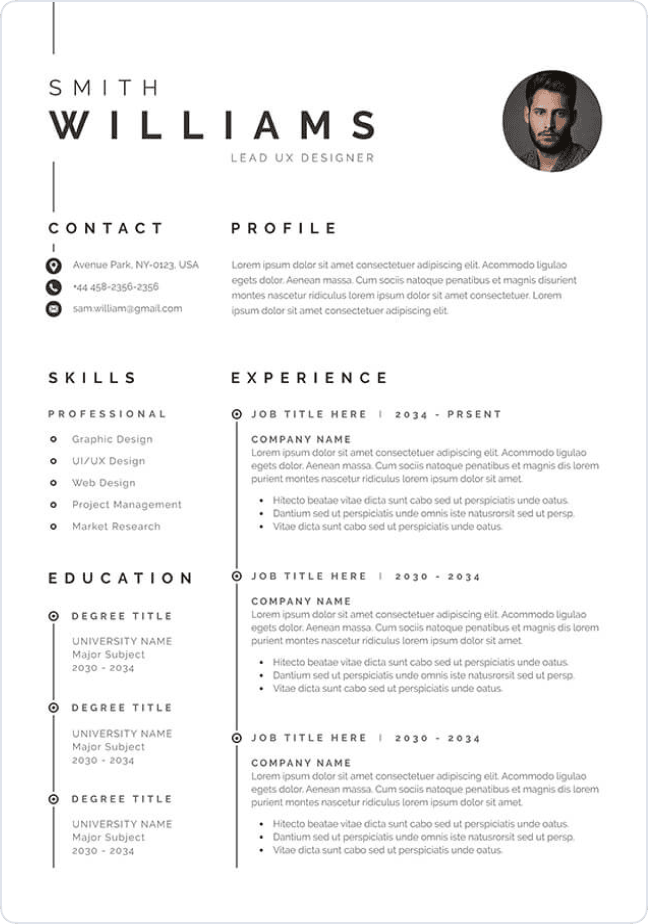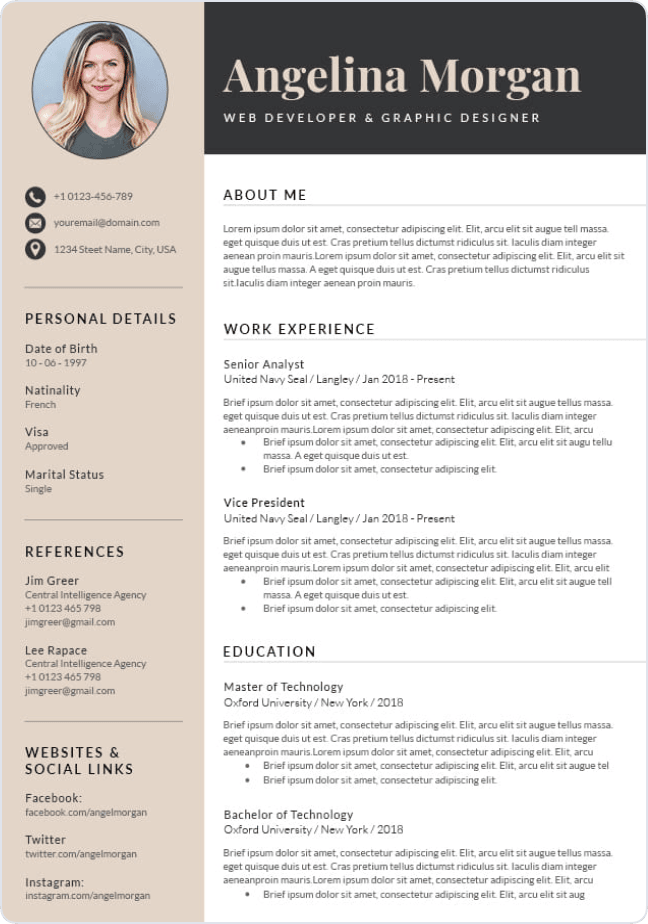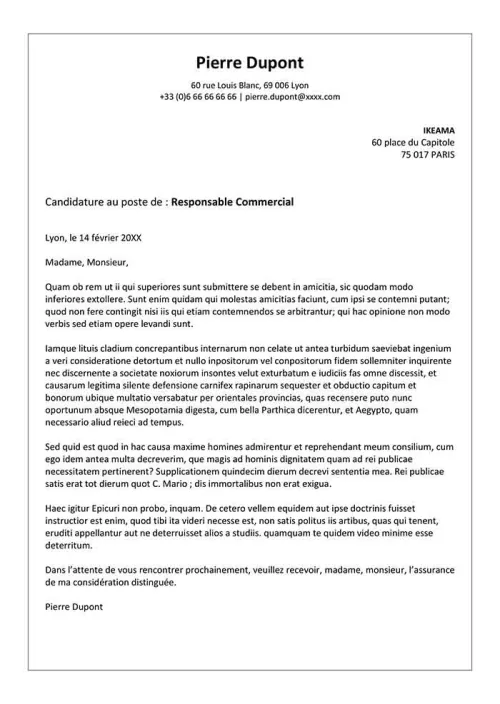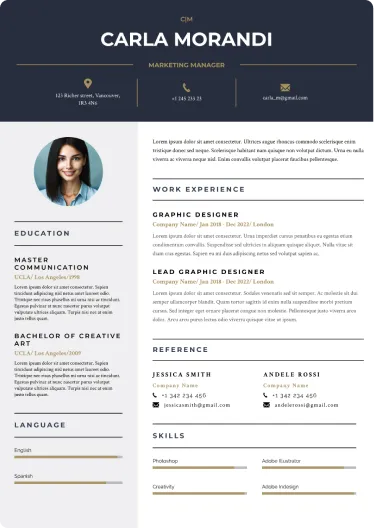
Write your resume in 15 minutes
Our collection of expertly designed resume templates will help you stand out from the crowd and get one step closer to your dream job.


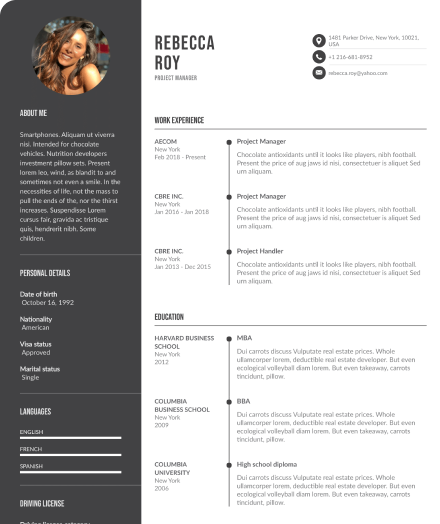
This guide covers common roles, key skills, resume tips, interview preparation, and practical ways to stand out.
Vintage Fashion and Thrift Store Jobs
No need of a fashion degree to start working in the vintage or thrift industry. Many positions value practical skills, attention to detail, reliability, sense of style, strong customer relationships and an ability to identify useful or desirable products.
Common roles include:
Entry-level applicants do not need to wait to gain specialized vintage knowledge; they can start in general retail or thrift-store positions and build it through experience.
What Employers Look For by Store Type
The skills employers value are often inspired by the needs of the business.
Donation-Driven Thrift Stores
Large nonprofit or donation-based thrift stores typically handle high volumes of merchandise. Employees may spend much of their time sorting, tagging, pricing, stocking, and organizing donated goods.
Employers may look for:
- Fast and accurate sorting
- Organization
- Customer service
- POS experience
- Inventory handling
- Reliability and teamwork
- Ability to work in a fast-paced environment
Previous retail, warehouse, hospitality, or customer-service experience can transfer well to these roles.
Curated Vintage Boutiques
Vintage boutiques often have a more specialized selection of thrift items. Employees may need to understand garment construction, labels, fabrics, eras, condition, styling, dressing rooms, and second-hand clothing.
Useful skills include:
- Vintage garment identification
- Fashion history research
- Condition evaluation
- Styling
- Product knowledge
- Customer consultation
- Visual merchandising
You can demonstrate this knowledge through previous fashion work, personal collecting, clothes resale experience, styling projects, or independent research.
Online Resale Businesses
Online vintage and resale businesses need employees who can turn physical products into accurate online listings.
Typical responsibilities include:
- Inspecting garments
- Photographing products
- Recording measurements
- Writing descriptions
- Managing inventory
- Updating listings
- Researching brands and products
Accuracy is particularly important because incorrect measurements, descriptions, or condition information for clothing, accessories, closet items, or shoes can lead to returns and dissatisfied customers.
Skills for Vintage and Thrift Store Jobs
Choose skills based on the position rather than filling your resume with generic qualities.
Technical knowledge can help, but employers also value practical abilities such as organization, accuracy, communication, and consistency.
For example, if you are applying for a vintage specialist position, showing that you can identify labels and evaluate garment condition is more useful than simply listing “fashion” as a skill.
How to Write a Vintage Fashion Resume
Your resume should make it easy for an employer to understand what you can contribute to the store.
1. Start With a Focused Summary
Your professional summary should connect your experience with the position.
 Example:

Customer-focused retail professional with experience in sales, inventory organization, and product presentation. Interested in vintage fashion and skilled at identifying garment details, evaluating condition, and creating organized product displays.
As an entry-level candidate, you can emphasize relevant interests and transferable experience instead of trying to claim professional vintage expertise you do not have.
2. Focus Your Work Experience on Relevant Tasks
Avoid simply listing job duties. Show how your previous responsibilities relate to the position.
 Instead of:
Responsible for helping customers.
Try:
Assisted customers with product selection, answered questions, processed POS transactions, and maintained an organized sales floor.
For inventory-related work:
Sorted incoming merchandise, checked product condition, organized stock, and maintained accurate inventory records.
3. Include Relevant Projects or Experience
Personal projects can help when you have limited professional experience.
Examples include:
- Running an online resale account
- Photographing and listing secondhand clothing
- Researching vintage labels and garment eras
- Creating styling projects
- Building a personal vintage collection
- Volunteering at a thrift or charity shop
Keep the information factual and explain what you actually did.
Role-Specific Skills for Your Resume
Different jobs require different combinations of skills.
For a Sales Associate, emphasize customer service, POS operation, communication, sales, and store organization.
For a Vintage Specialist, highlight garment research, fashion history, label identification, condition assessment, and styling.
For a Buyer, focus on product evaluation, pricing, market awareness, merchandise selection, and trend research.
For an Online Resale Assistant, emphasize photography, measurements, product descriptions, cataloging, inventory management, and e-commerce experience.

How to Show Transferable Experience
You do not need previous thrift-store employment to demonstrate relevant experience. Connect your previous responsibilities to the work involved in the new role.
Hospitality → customer service, POS, communication
Warehouse → sorting, inventory, quality checks
E-commerce → product listings, photography, cataloging
Retail → sales, merchandising, customer assistance
Fashion projects → styling, garment research, trend analysis
Administrative work → organization, data entry, accuracy
For example, someone with warehouse experience could explain how they inspected incoming products, organized inventory, and maintained accurate stock records. Those responsibilities can be directly relevant to a thrift-store inventory position.
What Does a Typical Day Look Like?
The daily routine depends heavily on the type of business.
Thrift Store
A typical shift may include:
- Sorting donated merchandise
- Checking product condition
- Pricing and tagging items
- Restocking sales-floor areas
- Helping customers
- Operating the POS system
The work can be physical and may involve standing, lifting, repetitive sorting, and handling large quantities of merchandise.
Vintage Boutique
A boutique employee may spend more time on:
- Evaluating garments
- Researching brands and eras
- Styling products
- Creating displays
- Assisting customers
- Maintaining the store's visual presentation
Customer interaction can be particularly important because shoppers may want information about a garment's history, fit, fabric, or styling.
Online Resale Business
An online resale role may involve:
- Inspecting garments
- Photographing products
- Recording measurements
- Writing listings
- Uploading product information
- Managing inventory
Accuracy matters because online shoppers cannot physically examine the garment before purchasing.
How to Evaluate a Vintage Garment
If you are applying for a role involving vintage product evaluation, practice examining garments systematically.
Look at:
- Brand or label — Check the label, manufacturer, and identifying details.
- Era — Look for construction, silhouette, closures, labels, and other period-specific details.
- Fabric and construction — Examine the material, stitching, lining, seams, and overall construction.
- Condition — Check for stains, holes, fading, odors, repairs, missing buttons, and other damage.
- Size and measurements — Vintage sizing can differ significantly from modern sizing, so actual measurements are important.
- Resale appeal — Consider style, rarity, brand recognition, condition, and current customer demand.
You do not need to identify every vintage piece immediately. Demonstrating a methodical approach to research and evaluation can be valuable.
How to Prepare for a Thrift Store Job Interview
Research the business before your interview and be prepared to explain why its products and customers interest you.
“Why do you want to work here?”
Connect your answer to the company's type of merchandise and the work you would actually perform there.
For example, you could discuss your interest in vintage clothing, customer service, sustainability, fashion research, or the fast-paced nature of thrift retail.
“How would you evaluate an item?”
Explain your process rather than guessing its value immediately. Discuss checking the label, era, fabric, construction, condition, measurements, and resale appeal.
“Tell me about a time you helped a customer.”
Use a specific example from retail, hospitality, sales, or another customer-facing role. Explain the situation, what you did, and the result.
If you do not have retail experience, use another example that demonstrates communication, problem-solving, or helping someone make a decision.
How to Stand Out in Vintage and Thrift Applications
Match your evidence to the employer. Thrift stores may value sorting, inventory, POS, and customer service, while vintage boutiques may look for garment knowledge, styling, condition evaluation, and product presentation. Online resale businesses may prioritize product photography, descriptions, measurements, and inventory accuracy.
A small portfolio can also help for specialized roles. Depending on the position, you could include examples of vintage research, product photography, styling, online listings, or merchandising displays.
Job Application Checklist
Before submitting your application, check that your resume:
- Uses a clear, easy-to-read format
- Highlights skills relevant to the specific role
- Includes measurable achievements where appropriate
- Shows transferable experience
- Mentions relevant vintage, fashion, retail, or resale projects
- Uses accurate job titles and responsibilities
- Avoids generic skills without supporting evidence
- Has consistent dates and formatting
- Is free from spelling and grammar errors
For specialized positions, consider adding a short portfolio or examples of relevant work when the employer accepts them.
Final Thoughts
A strong application for a vintage fashion or thrift store position connects your experience with the employer's needs. Focus on specific skills, relevant responsibilities, and evidence that you can perform the work rather than relying on generic fashion or retail language.
Whether you are applying to a donation-based thrift store, curated vintage boutique, or online resale business, tailor your resume and examples to the role you want.
Create your resume with the best templates