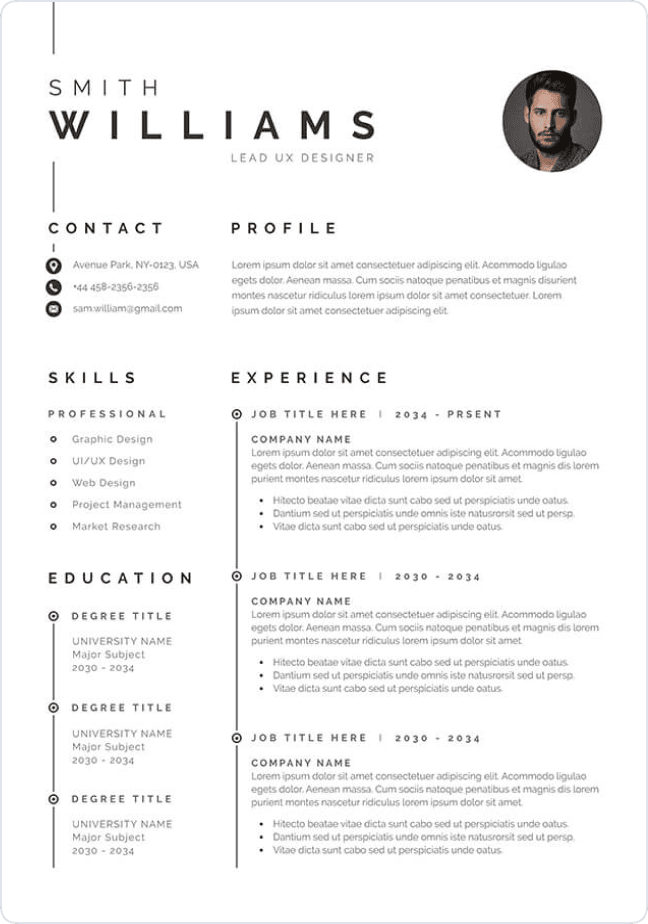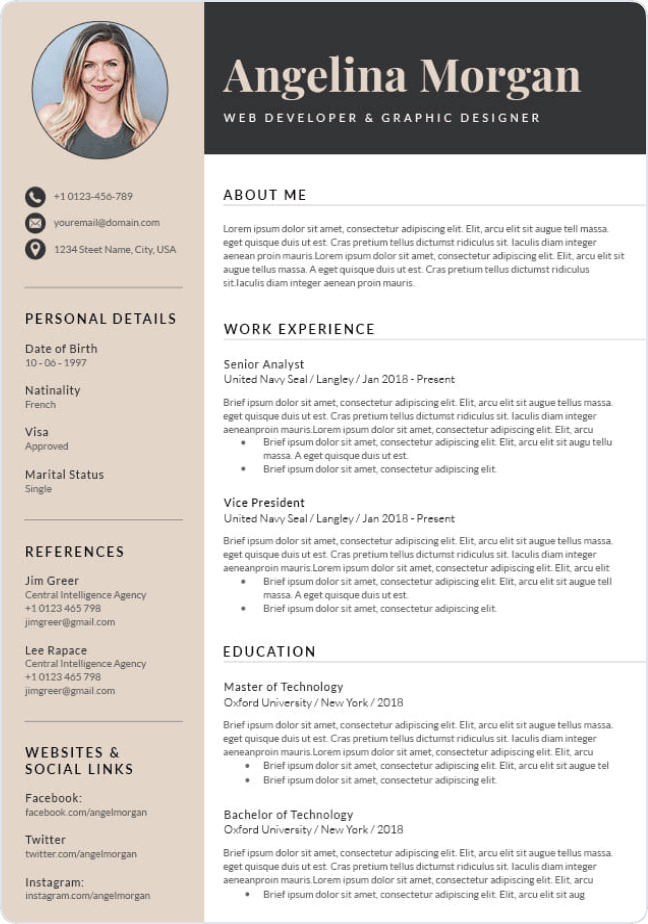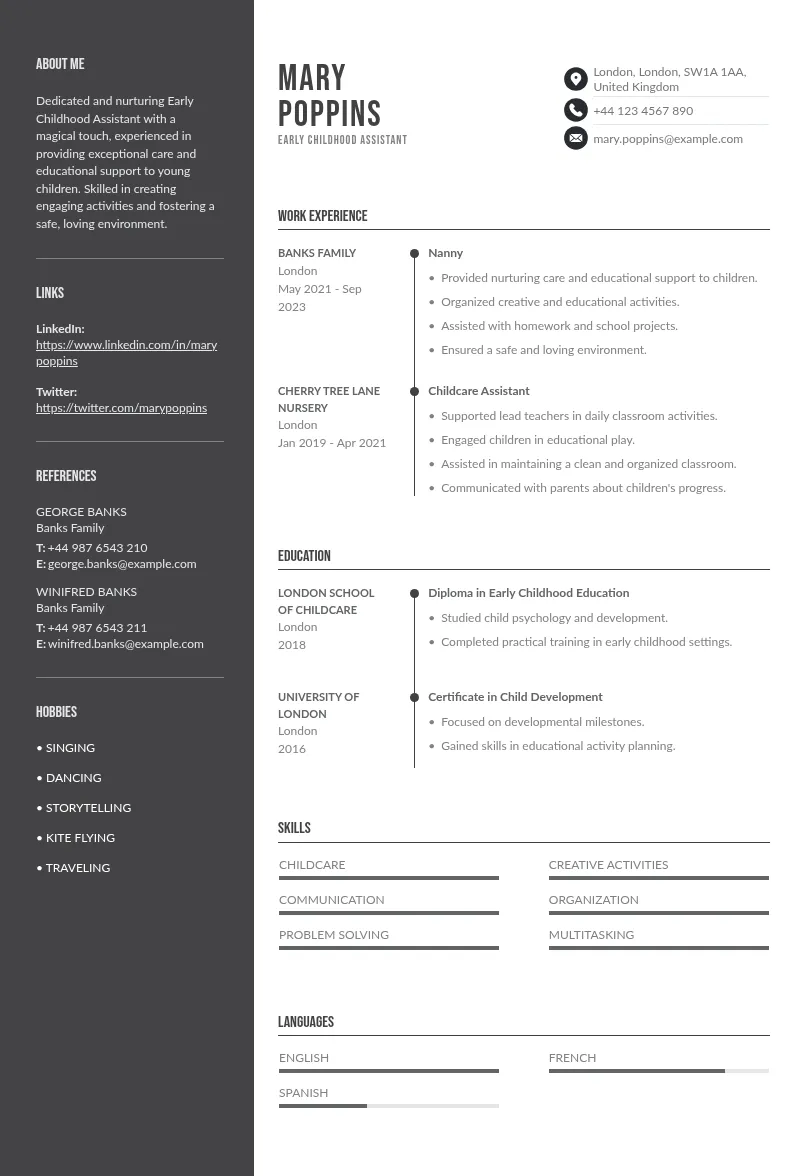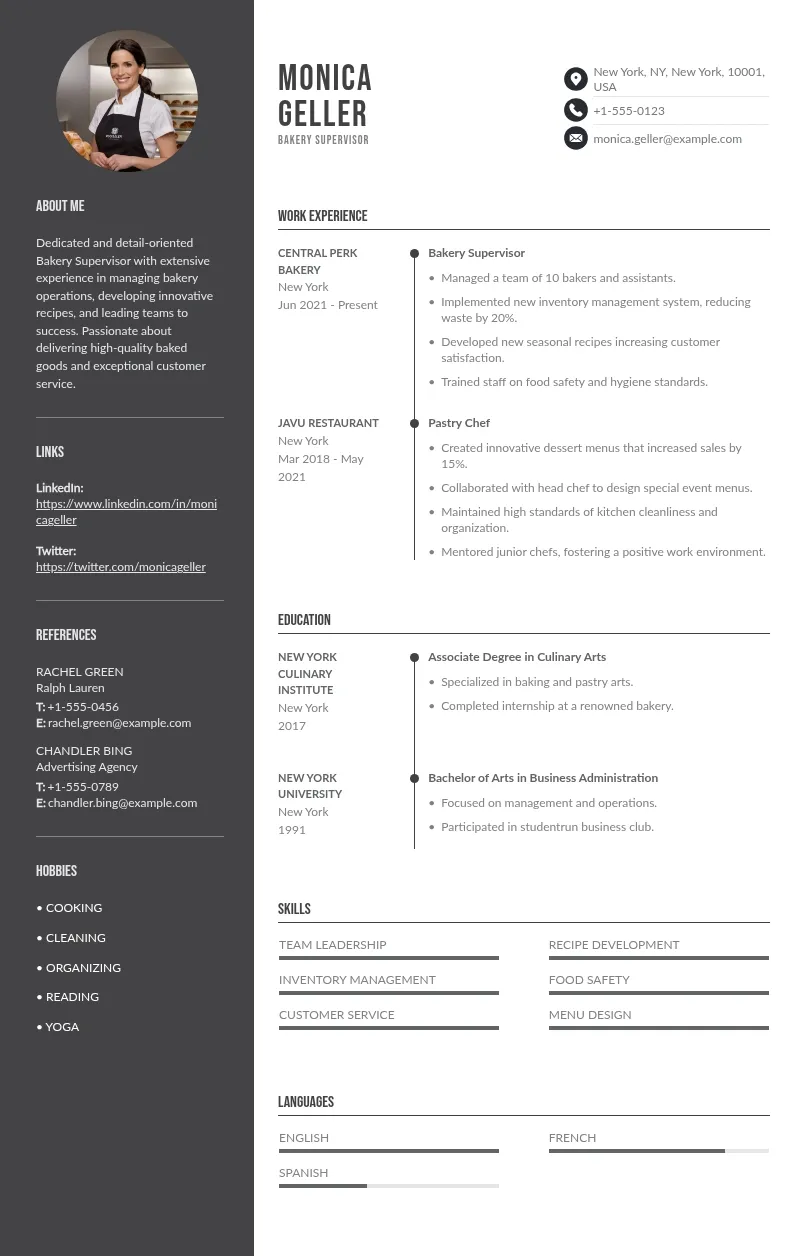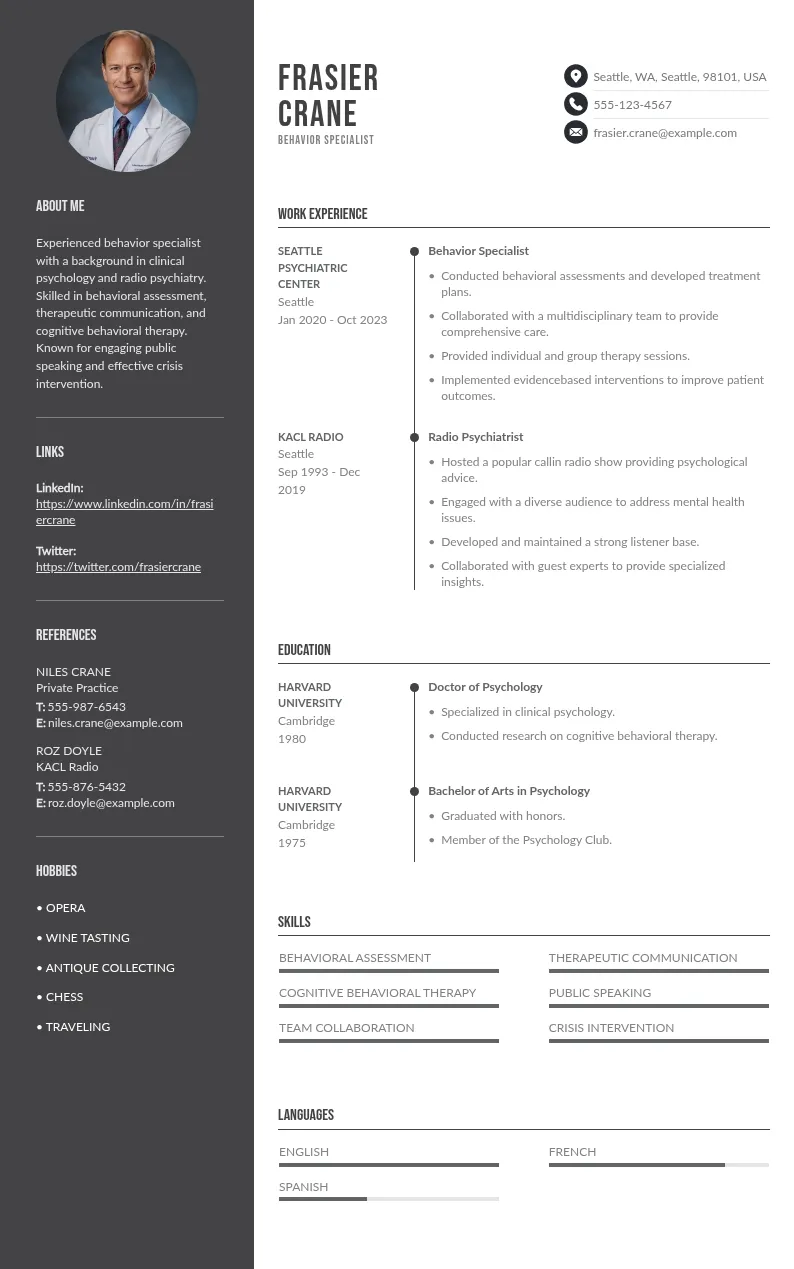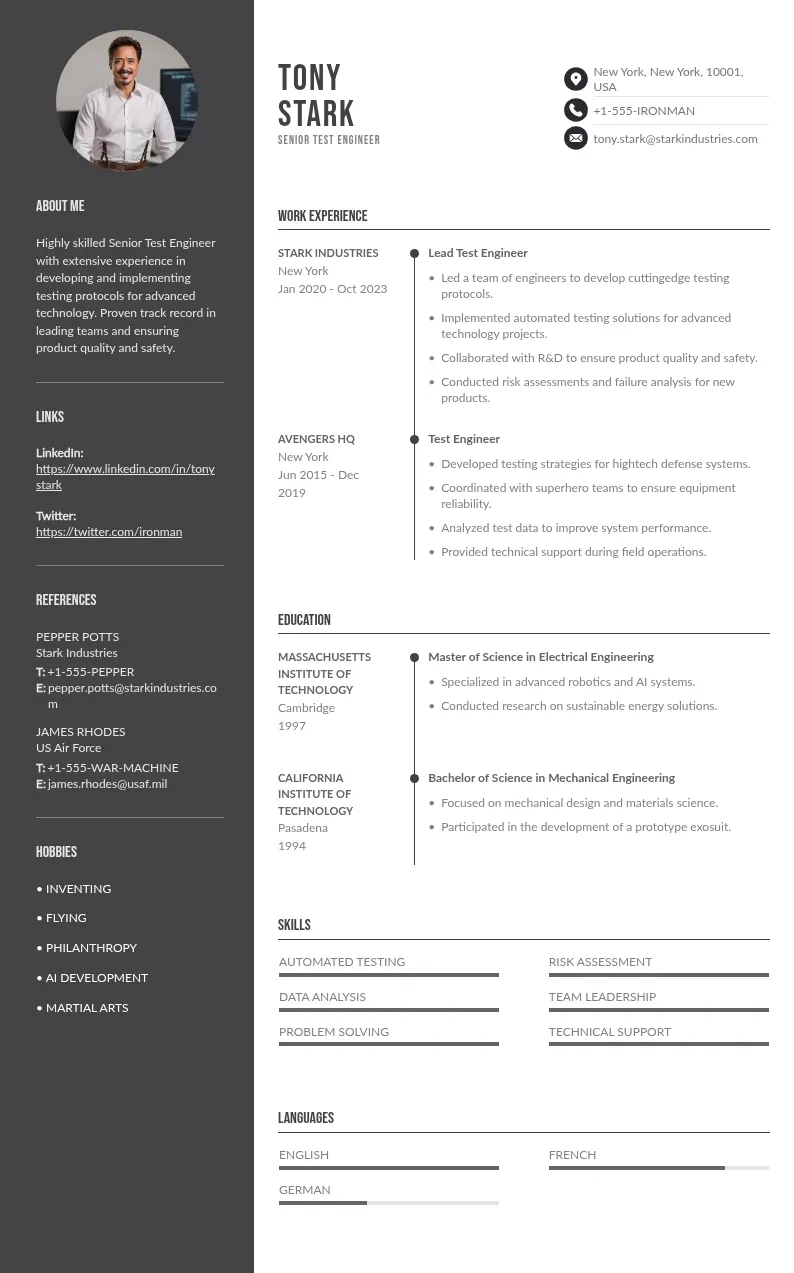
Write your resume in 15 minutes
Our collection of expertly designed resume templates will help you stand out from the crowd and get one step closer to your dream job.


In this guide, you'll learn what a letter of interest is, when to send one, how to write it, and how to use a sample and template.
What Is a Letter of Interest?
A letter of interest is a professional message expressing interest in a company, sent even when no specific position is posted. Unlike a cover letter, which responds to a job listing, it has to create its own context: highlight relevant skills, connect them to a real business need, and give the employer a reason to respond.
As The Muse puts it: A cover letter targets a specific job opening, while a letter of interest expresses interest in a company even without a posted role.
Bottom line: you're starting a hiring conversation, not submitting an application.
If a company has advertised a role that matches your qualifications, send a cover letter. If you want to work for a company that isn't advertising a suitable position, a letter of interest is more appropriate.
When Should You Send a Letter of Interest?
A letter of interest works best when you want to connect with a company before it begins actively hiring:
- The company isn't hiring publicly: many roles get filled internally before they're ever posted.
- You're networking: follow up within a day or two of meeting someone at an event.
- The company is growing: funding news or new offices signal that roles are coming soon.
- You're relocating: introduce yourself to employers in your new city before you actually move.
- You're changing careers: use the letter to highlight the skills that transfer to your new field.
How to Write a Letter of Interest
A strong letter should usually contain three or four short paragraphs and about 250–400 words. The structure should answer four questions:
1. Research the Company's Hiring Signals
Don't research the company just to mention its mission statement. Look for information that can reveal a potential need:
- New products or services
- Business expansion
- New locations
- Leadership changes
- Funding or investment
- New partnerships
- Recurring hiring patterns
- Department growth
For example,
 Instead of writing:
I admire your company and would love to work with you.
 Try:
Try:
I noticed ABC Technologies recently expanded its renewable-energy division. My experience building B2B marketing campaigns for energy companies could help support customer acquisition as that division grows.
The second version gives your outreach a reason to exist.
2. Open Without Pretending a Job Exists
Because there is no job description, your opening needs to establish the context immediately.
Weak:I am writing to apply for a marketing position at your company.
This implies that a position exists.
Stronger:
I'm a digital marketing specialist with five years of experience in SEO and content strategy, and I'm reaching out because I've followed ABC Technologies' expansion into renewable-energy markets.
This establishes your expertise, identifies the company-specific hook, and avoids inventing a vacancy.
3. Use One Strong Proof Point
Without a job description, you don't need to match ten keywords. Choose an achievement that supports the business need you identified.
For example:
In my current role, I increased organic traffic by 45% in 12 months by restructuring content around high-intent search terms and improving internal linking.
The number is illustrative, but the structure is what matters: skill + action + measurable result.
4. Connect the Proof to the Company
This is the step that separates a letter of interest from a generic introduction.
Because ABC Technologies is expanding its online presence in new markets, I believe my experience in international SEO and content localization could support that growth.
You're not claiming that the company is hiring. You're showing why your experience may be relevant to something the company is already doing.
5. End With a Specific CTA
Don't simply write, "I look forward to hearing from you."
Ask for a reasonable next step:
I'd welcome a brief conversation about your team's upcoming digital initiatives and whether my background could support them.
This makes the CTA appropriate for speculative outreach.
Three Letters of Interest Examples
The following examples use fictional companies and illustrative achievements to demonstrate the structure.

1. Entry-Level Example
Scenario: A recent graduate wants to work for a growing technology company but finds no suitable opening.
Dear Hiring Manager,
I recently graduated with a degree in business administration and am reaching out because I've followed ABC Tech's expansion into small-business software. Through a marketing internship and two academic projects, I've developed experience in market research, social media content, and customer analysis.
During my internship, I analyzed customer survey data and helped develop a campaign that increased social engagement by 25%. I would be interested in contributing to ABC Tech's marketing or customer-growth initiatives as the company expands its small-business offerings.
I'd appreciate the opportunity to speak with someone on your marketing team about potential entry-level opportunities or upcoming needs.
Sincerely,
[Name]
Why it works:
- Hook: Company expansion
- Proof point: 25% engagement improvement
- Company connection: Small-business growth
- CTA: Conversation about future opportunities
2. Senior Professional Example
Scenario: A senior operations manager sees that a company is opening several new locations.
Dear Hiring Manager,
I'm an operations leader with 10 years of experience managing multi-location teams, and I'm reaching out after seeing your company's recent expansion into three new markets. That growth closely matches the work I've led throughout my career.
In my current role, I oversee operations across eight locations and introduced standardized processes that reduced operating costs by 18%. I've also led teams through two regional expansions while maintaining service-level targets.
Given your current growth, I believe my experience in multi-site operations and process improvement could support your expansion. I'd welcome a conversation about upcoming leadership needs within your operations team.
Sincerely,
[Name]
Why it works:
- Hook: New-market expansion
- Proof point: 18% cost reduction
- Company connection: Multi-location growth
- CTA: Discuss upcoming leadership needs
3. Career-Change Example
Scenario: A teacher wants to transition into corporate learning and development.
Dear Hiring Manager,
I'm an educator transitioning into corporate learning and development, and I'm reaching out because your company recently expanded its employee training programs. My background in curriculum design and professional instruction closely aligns with that work.
Over the past six years, I've designed training programs for groups of more than 100 learners and used performance data to improve course completion rates by 22%. I would like to bring that experience into a corporate learning environment.
If your team expects to expand its training function, I'd appreciate the opportunity to discuss how my instructional design experience could contribute.
Sincerely,
[Name]
Why it works:
- Hook: Training-program expansion
- Proof point: 22% improvement
- Company connection: Corporate learning
- CTA: Discuss potential future needs
Letter of Interest Format
Use a simple business-letter structure:
If you send the letter by email, use a subject line that explains the purpose without implying a specific vacancy.
Example:
Subject: Digital Marketing Expertise for ABC Technologies' Expansion
What to Attach to a Letter of Interest
In most cases, attach a targeted resume that supports the claims in your letter. Include a relevant portfolio link as well if your work is portfolio-based: writing, design, marketing, or development...
Don't attach unrelated documents to make the application look substantial. Your goal is to make it easy for the recipient to evaluate your potential fit.
Common Letter of Interest Mistakes to Avoid
- Opening with generic filler: avoid lines like "I am writing to express my strong interest in your esteemed organization" . Hiring managers now flag this as lazy or AI-written, since 74% say they can spot AI-generated applications.
- Repeating your resume: don't restate job duties already listed there. Pick one achievement and connect it directly to a need you've spotted at that specific company.
- Making it about you, not them: aim for a 60/40 split, as most of the letter should focus on what the company needs, not what you're hoping to get out of it.
- Writing too much: keep it to three short paragraphs, under 300 words. It's enough to make your case, short enough to actually get read.
- Leaning on buzzwords: skip "hardworking," "team player," "results-driven"... swap each for one concrete number or outcome (e.g. "cut onboarding time by 30%").
- Sloppy details: address a named contact instead of "Dear Hiring Manager," double-check the company name, and never send an identical letter to multiple people at once. It's easy to spot and kills credibility instantly.
Conclusion
A strong letter of interest doesn't say, "Hire me for any position." It explains why you're contacting this company now, demonstrates your ability to contribute, and opens the door to a future conversation.
Research a specific company signal, connect it to one relevant achievement, contact the appropriate person, attach supporting materials, and follow up once if needed. That approach makes your letter feel less like a generic job inquiry and more like a thoughtful business conversation.
Create your resume with the best templates