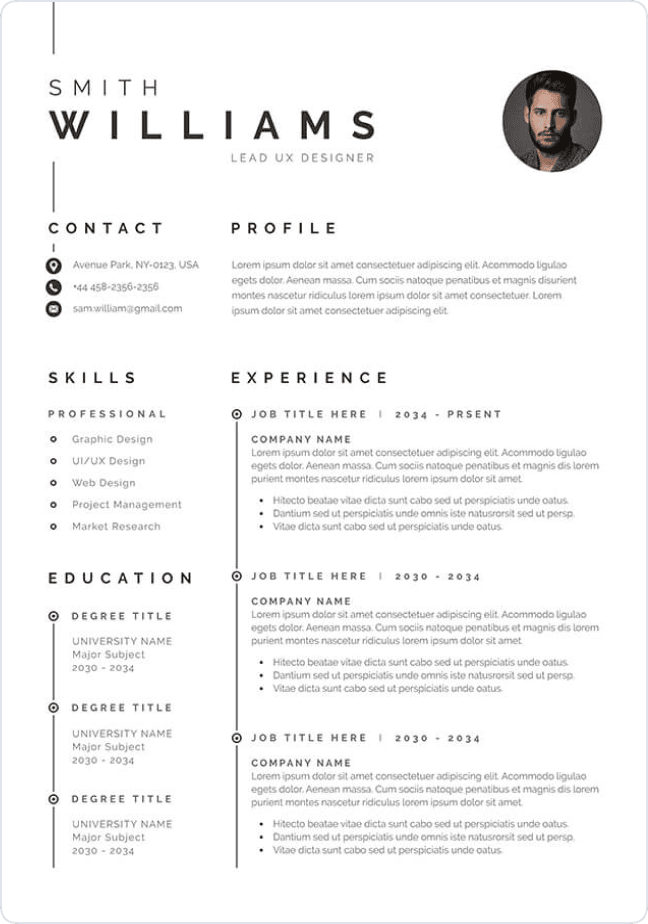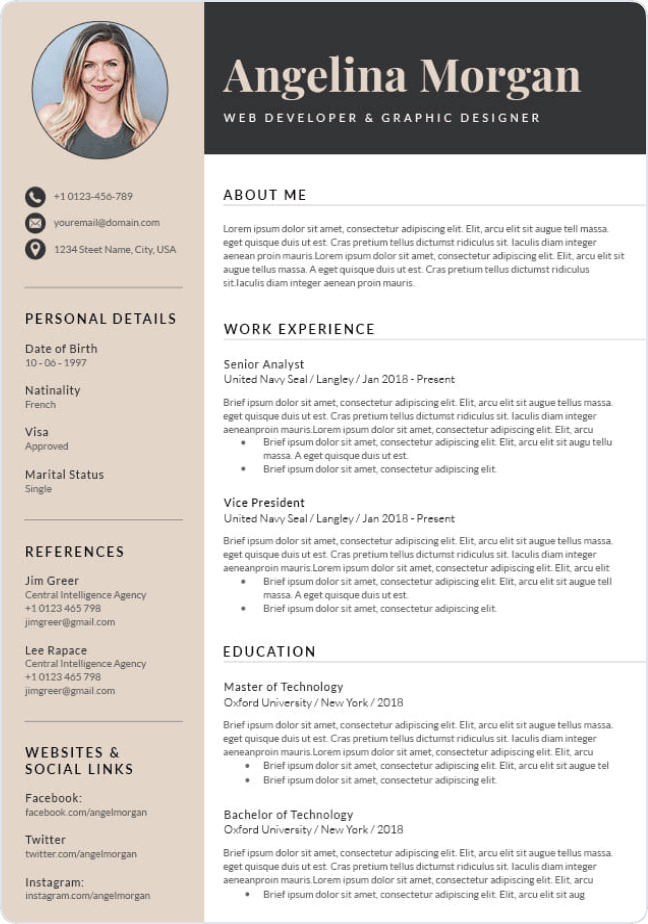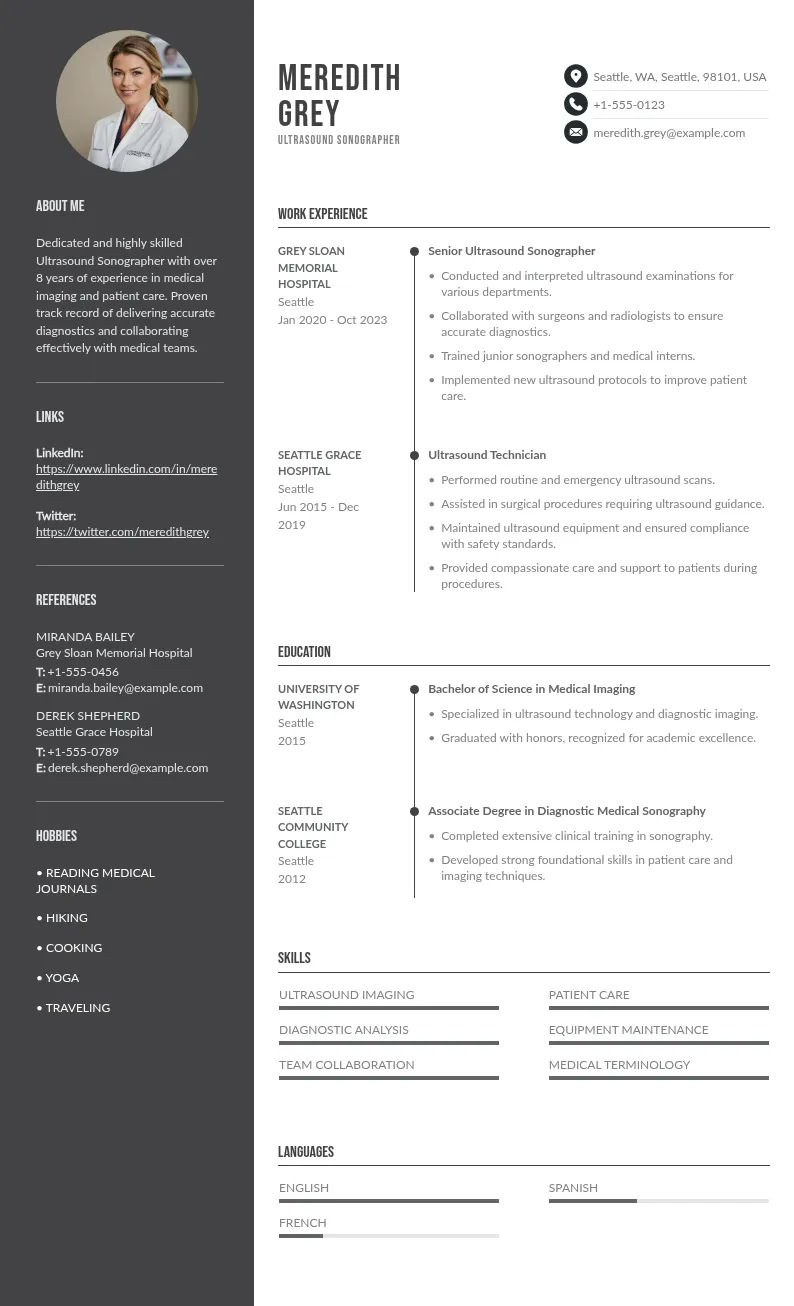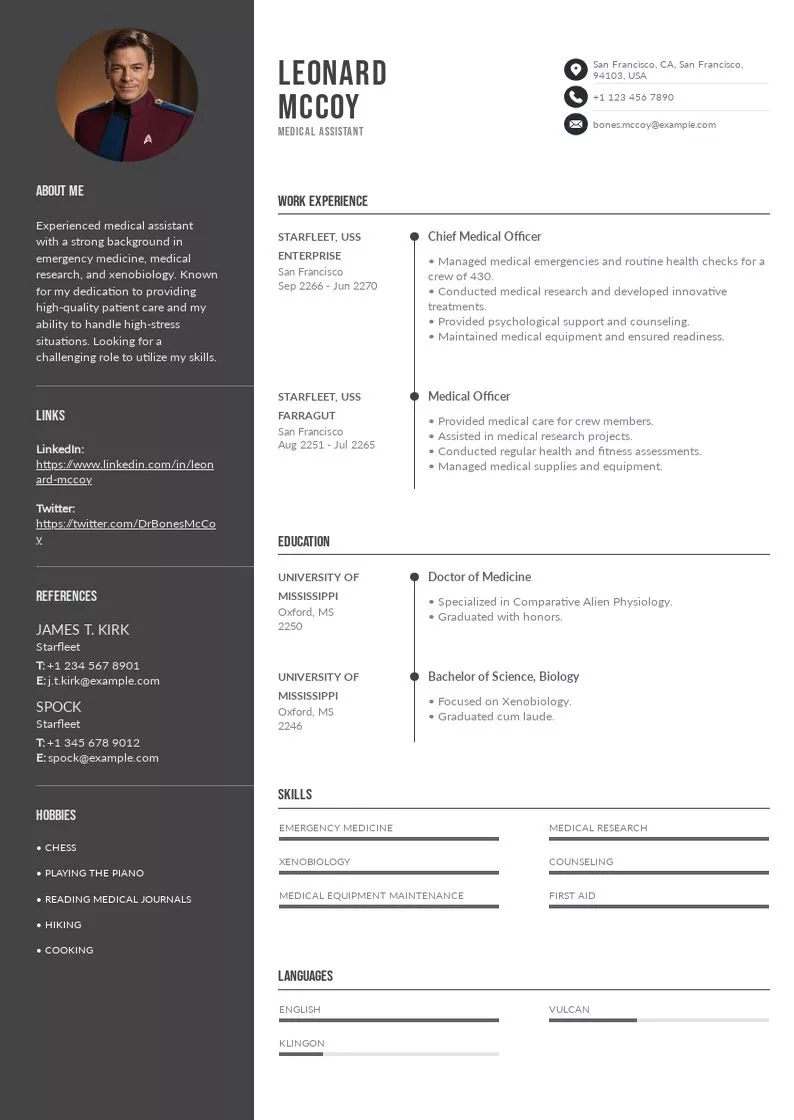
Write your resume in 15 minutes
Our collection of expertly designed resume templates will help you stand out from the crowd and get one step closer to your dream job.


Picking a more precise team player synonym does more than just switch out words; it shows you've thought deeply about collaboration and highlights your unique strengths. Using the right phrase can immediately communicate whether you excel at bringing people together, working across different departments, or just being a reliable rock for your team. It paints a much clearer picture of your professional style. A much more interesting one.
This guide will help you move your application beyond the generic. We're going to break down eight powerful alternatives that are guaranteed to catch a recruiter's eye. You will learn:
- The distinct meaning and vibe of each phrase.
- When and where to use them for the biggest impact.
- How to weave them into your CV and cover letter with practical, real-world examples.
By the end, you'll have a toolkit of phrases that nail down your collaborative skills and help your application get noticed for all the right reasons. Let's get into it.
Powerful Synonyms for Team Player with Examples
Finding the right way to describe your collaborative skills can feel like a chore. The good news? There are plenty of powerful alternatives to the tired "team player" cliché. Each option below offers a different flavour, allowing you to pick the one that best fits your experience and the role you're aiming for. We'll get into the nitty-gritty of how to use each one, providing clear examples you can adapt for your own CV.
1. Collaborative Professional
Describing yourself as a “collaborative professional” is a powerful team player synonym that takes the idea beyond just getting along with people. It suggests a proactive, structured approach to working within a group. This phrase tells a hiring manager that you don't just add to shared goals; you understand the professional etiquette and processes that make a project click. You’re someone who respects deadlines, communicates with clarity, and actively looks for chances to combine your skills with your colleagues' for a better outcome.
This term is particularly effective on a CV or cover letter. Why? It perfectly balances individual competence with interpersonal skill. It shows you can work on your own but are also a key part of a larger team structure, making you a versatile and dependable candidate.
When to Use "Collaborative Professional"
This phrase is a top choice for roles where project work and cross-departmental efforts are the norm. Think about jobs in project management, software development, or marketing—places where coordinating with different specialists is a daily thing. It suggests a high level of organization and an appreciation for formal teamwork.
Actionable Tips for Your CV
To make this term work for you, you have to back it up with solid proof of your collaborative skills.
- Show, Don’t Just Tell: Instead of just putting "collaborative professional" in a skills list, show it through your achievements. For a deeper understanding of which skills to highlight, you can look into the most important interpersonal skills for your resume.
- Use Strong Verbs: Kick off your bullet points with action words that scream collaboration. Verbs like partnered, coordinated, integrated, facilitated, and co-developed are way more impactful than passive phrases.
- Quantify Your Impact: Whenever you can, add numbers to your collaborative wins. This turns a fuzzy statement into a concrete accomplishment.
CV Bullet Point Examples:
- Before: Worked with the sales team on a new marketing campaign.
- After: Partnered with a 5-person sales team to co-develop a targeted marketing campaign, bringing about a 15% increase in qualified leads in Q3.
- Before: Helped the development team with a new software feature.
- After: Coordinated with UI/UX designers and back-end developers in an Agile environment to roll out a new user authentication feature 2 weeks ahead of schedule.
2. Cooperative Team Member
Calling yourself a “cooperative team member” is a great team player synonym that shines a light on your flexibility and positive attitude. It shifts the focus to your willingness to work harmoniously with others, respect different viewpoints, and change your approach for the good of the group. This phrase communicates that you're not just capable of teamwork, but that you actively build a supportive and agreeable work environment. People see you as someone who helps out, listens, and adjusts to make sure the team runs smoothly.
This term comes in handy for entry-level candidates or recent graduates. It effectively shows you'll fit into the culture and are ready to learn from others. It tells a hiring manager you're approachable, easy to work with, and will slot right into an existing team dynamic. That makes you a low-risk, high-reward hire.
When to Use "Cooperative Team Member"
This phrase is spot-on for roles where a positive group dynamic and adaptability are everything. Think of customer service teams working together on service improvements, junior accountants helping senior staff during audits, or administrative professionals supporting multiple departments. It signals an easygoing nature and a focus on group success over individual preference.
Actionable Tips for Your CV
To make this phrase pop on your CV, back it up with examples of your adaptable and supportive nature.
- Show, Don’t Just Tell: Instead of just listing "cooperative team member," give specific examples of when you supported a colleague or adapted to a team's needs. For a deeper look into demonstrating this on your CV, you can find more on the key teamwork skills for your resume.
- Use Supportive Verbs: Start your bullet points with action words that show cooperation. Verbs like assisted, supported, adapted, contributed, and accommodated powerfully get your helpfulness across.
- Highlight Harmony: Frame your achievements around the team's or a colleague's success. Mentioning how you helped someone else succeed is a strong sign of a cooperative spirit.
CV Bullet Point Examples:
- Before: Worked with a senior colleague on a project.
- After: Assisted a senior accountant during the annual audit by organizing and verifying over 200 financial records, contributing to a seamless and error-free submission.
- Before: Was part of a customer service team.
- After: Adapted to a new team-wide call-handling protocol within one week, supporting colleagues during the transition and helping hold onto a 95% customer satisfaction score.
3. Cross-Functional Contributor
Positioning yourself as a “cross-functional contributor” is a highly strategic team player synonym that speaks directly to modern company structures. It signals that your ability to collaborate isn't just limited to your immediate team; you shine when working across different departments, specialties, and business units to drive collective success. This term brings to light your value in complex environments where breaking down silos is crucial for reaching bigger company goals. You are the bridge between technical and non-technical teams. The translator of departmental jargon. A unifier of diverse goals.
This phrase is especially powerful for roles in matrix organizations or agile companies where projects need input from all over the business. It tells a hiring manager you get the bigger picture and can navigate complex internal networks to get things done, making you a go-to person for company-wide initiatives.
When to Use "Cross-Functional Contributor"
This is the perfect phrase for roles that need you to connect multiple departments. Think about jobs like product management, operations, business analysis, or HR, where success hinges on orchestrating efforts across engineering, marketing, sales, and logistics. It shows you can manage relationships and align different groups toward a common goal.
Actionable Tips for Your CV
To make this term convincing, you have to provide clear evidence of your cross-departmental work.
- Show, Don’t Just Tell: Don't just claim the title. Illustrate your cross-functional skills through your project descriptions. For a deeper look at the competencies required, especially in coordinating roles, you can check out key project manager skills for your CV.
- Use Strong Verbs: Begin bullet points with words that emphasize your role as a connector. Verbs such as liaised, unified, aligned, brokered, and synthesised paint a vivid picture of your collaborative impact.
- Quantify Your Impact: Slap some metrics on your achievements. Numbers give concrete proof of how your cross-functional efforts delivered real business value.
CV Bullet Point Examples:
- Before: Worked with marketing and engineering on the new product launch.
- After: Liaised between the engineering and marketing departments to align product features with campaign messaging, contributing to a 20% uplift in user adoption post-launch.
- Before: Helped with a process change in manufacturing and logistics.
- After: Unified operations between manufacturing and logistics teams by putting in place a new inventory tracking system, cutting down shipping errors by 25% in the first quarter.
4. Synergistic Partner
Putting yourself forward as a “synergistic partner” is a very strategic team player synonym that suggests you do more than just cooperate. It communicates that you create results where the combined effort is greater than the sum of its parts. This term shows off your ability to align your skills with colleagues in a way that generates exceptional value. It implies both tactical cooperation and a sharp, strategic mind. It’s a sophisticated phrase that appeals to forward-thinking, results-driven companies.

Using "synergistic partner" on your CV tells a recruiter that you actively seek out complementary skills in others to create better outcomes. It shows you think about how different expertise can be combined for maximum impact, making you an asset in any environment focused on innovation and measurable success. You are not just adding; you are multiplying.
When to Use "Synergistic Partner"
This phrase is perfect for roles where collaboration is about creating value, not just finishing tasks. Use it for jobs in data science, product development, strategic consulting, or high-level sales. It’s especially effective in fields where success depends on merging different disciplines—like a data scientist partnering with a business analyst to generate predictive insights or a designer working with an engineer to build a groundbreaking product.
Actionable Tips for Your CV
To effectively use this powerful term, you must back it up with evidence of value creation through partnership.
- Show the "Synergy": Go beyond describing the collaboration; spell out what made the outcome better because of it. What unique value was unlocked?
- Focus on Complementary Skills: Frame your bullet points around how you combined your expertise with someone else's. Use verbs like aligned, integrated, synthesised, and co-created to show this fusion of skills.
- Quantify the Added Value: Numbers are critical here. Show the "greater than the sum of its parts" effect with metrics that prove growth, efficiency, or innovation.
CV Bullet Point Examples:
- Before: Worked with the product team on a new launch.
- After: Aligned with the product team to synthesise market research and user feedback, co-creating a go-to-market strategy that shot past initial sales projections by 25%.
- Before: Helped the tech lead solve a client problem.
- After: Integrated my business analysis with the tech lead's engineering expertise to design a custom solution for a key client, resolving a complex issue and locking in a £50,000 contract extension.
5. Reliable Collaborator
Calling yourself a “reliable collaborator” is a specific and impactful team player synonym that underlines your dependability and trustworthiness. It goes beyond just participating in group work; it signals that you consistently follow through on commitments and can be counted on to deliver your part of a shared project. This phrase reassures a hiring manager that you are not only a willing contributor but also a steady and accountable presence within the team. You are someone they can depend on. Period.
This term is particularly valuable in roles where projects are driven by deadlines and every team member’s contribution is critical to moving forward. It communicates that you understand the domino effect of missed deadlines in a collaborative setting and take your responsibilities seriously. It suggests you're organized, self-sufficient, and committed to the group's collective success.
When to Use "Reliable Collaborator"
This phrase is ideal for environments where consistency and accountability are king. Use it for jobs in project coordination, software development, supply chain management, or financial analysis, where teams depend on timely and accurate input from each member to meet milestones. It’s perfect for showing you thrive in structured, project-based work.
Actionable Tips for Your CV
To make this phrase truly land, you need to back it up with evidence of your dependability in group settings.
- Show, Don’t Just Tell: Instead of just listing "reliable collaborator," prove it. Use your achievement descriptions to paint a picture of someone who consistently delivers.
- Use Strong Verbs: Kick off your bullet points with words that convey accountability and successful completion. Action verbs like delivered, secured, ensured, finalised, and completed demonstrate your ability to see tasks through to the end.
- Quantify Your Impact: Numbers add weight to your claims. Mentioning on-time delivery rates or successful project completions gives concrete proof of your reliability.
CV Bullet Point Examples:
- Before: Worked with a remote team to finish a project.
- After: Delivered all personal project milestones on or ahead of schedule while coordinating with a distributed team across three time zones, ensuring the project's on-time completion.
- Before: Was responsible for providing data to the team for weekly reports.
- After: Ensured the timely provision of financial data for weekly collaborative reviews, holding onto a 100% on-time delivery record over 18 months.
6. Supportive Contributor
Describing yourself as a “supportive contributor” is an effective team player synonym that brings attention to your commitment to enabling others while working toward a common goal. This phrase goes beyond simple cooperation; it signals that you actively help your colleagues get ahead, recognizing that their growth directly adds to the team's overall success. It shows a mix of altruism and a results-focused mindset, demonstrating you are willing to put group achievements ahead of purely individual ones.
This term is especially powerful for roles that involve mentorship, guidance, or shared success metrics. It tells a hiring manager you not only get your own work done but also multiply your impact by boosting the capabilities of those around you. You are seen as a force for positive development within the team.
When to Use "Supportive Contributor"
This phrase is ideal for positions where building a nurturing environment is key. Think of senior engineers mentoring junior developers, experienced sales pros coaching new team members, or HR specialists running employee development programs. It is also excellent for technical lead roles where coaching a team through tricky problem-solving is a core responsibility.
Actionable Tips for Your CV
To make "supportive contributor" land with impact, you must provide proof of how you have helped others.
- Show, Don’t Just Tell: Rather than just stating you are supportive, detail specific instances where you mentored, coached, or assisted a colleague, leading to a positive outcome for the team. This approach is also crucial for roles that involve direct client interaction, as you can read more about the essential soft skills for customer support roles.
- Use Strong Verbs: Kick off your bullet points with words that convey active support. Verbs like mentored, coached, guided, enabled, and facilitated paint a clear picture of your contributions.
- Quantify the Team's Success: Connect your support to measurable team results. This shows that your mentorship directly translates into business value.
CV Bullet Point Examples:
- Before: Helped a new team member get used to the project.
- After: Mentored a junior developer on a complex project, resulting in their ability to independently manage a key feature and cutting down senior developer oversight by 20%.
- Before: Worked with the sales team to improve performance.
- After: Enabled three new sales associates to shoot past their Q1 targets by 10% through weekly coaching sessions on product knowledge and negotiation techniques.
7. Integrated Team Specialist
Calling yourself an “integrated team specialist” is a strategic team player synonym that calls attention to a rare and valuable skill set. It shows you are not just a subject matter expert who works alongside a team, but someone who actively weaves their specialized knowledge into the fabric of the group's processes. This phrase communicates your ability to keep up a high level of technical skill while making your expertise accessible and useful to the entire team for a shared goal. It signals that you can translate complex ideas and contribute specialized skills without cutting yourself off from the collaborative flow.
This term is particularly powerful for technical or specialized professionals. It tells a hiring manager you have deep knowledge in your field but also have the crucial interpersonal skills to make sure that expertise benefits the wider project, preventing knowledge silos and fostering real integration.
When to Use "Integrated Team Specialist"
This phrase is spot-on for roles where a specialist must contribute to a cross-functional team. Consider roles like data scientists on a business analytics team, compliance officers working with product developers, or senior engineers in an Agile squad. It works perfectly when the job requires both deep individual expertise and constant, meaningful collaboration with generalists or other specialists.
Actionable Tips for Your CV
To make this phrase impactful, you must show how you bridge the gap between your specialty and the team's goals.
- Define Your Niche: Clearly state your area of expertise so recruiters understand the specific value you bring to the table.
- Translate for the Team: Give examples of how you made complex concepts easy to understand for colleagues outside your field, which is a key part of integration.
- Balance Your Achievements: Your CV bullet points should reflect a mix of technical accomplishments and the collaborative efforts that brought them to life.
CV Bullet Point Examples:
- Before: Provided statistical analysis for the business team.
- After: Integrated advanced statistical models into the business analytics team’s workflow, translating complex data findings into actionable insights that informed a 10% budget reallocation toward high-performing channels.
- Before: Worked on a cross-functional project to ensure engineering standards.
- After: Acted as the integrated engineering specialist on a cross-functional product team, facilitating weekly knowledge-sharing sessions that helped the marketing and design teams get on the same page with new technical capabilities, cutting down rework by 25%.
8. Consensus Builder
Putting yourself forward as a "consensus builder" is a sophisticated team player synonym that speaks to your leadership and diplomatic skills. It goes far beyond simple agreement. It suggests you are skilled at navigating tricky group dynamics, mediating different opinions, and guiding a team toward a unified decision. This phrase highlights your ability to create alignment and get buy-in, even when facing competing interests or resistant stakeholders. It signals a high degree of emotional intelligence and strategic thinking.

This term is particularly potent for leadership, project management, and client-facing roles. It tells a hiring manager you can exert influence without formal authority, making you a priceless asset in collaborative environments. You aren't just a participant; you are a facilitator who creates stronger, more cohesive outcomes by making sure all voices are heard and considered.
When to Use "Consensus Builder"
This phrase is ideal for roles that require managing diverse stakeholders and getting alignment on critical objectives. Think about using it for jobs like project leader, product manager, or change management specialist, where balancing the needs of customers, engineering teams, and business departments is part of the job. It shows a mature and strategic approach to teamwork. For more on this, check out how to demonstrate leadership skills on your resume.
Actionable Tips for Your CV
To make "consensus builder" a believable part of your professional brand, you must back it up with specific examples of your facilitation and diplomacy skills.
- Show, Don’t Just Tell: Instead of just claiming the title, detail situations where you brought opposing viewpoints together. A good story is always more powerful.
- Use Strong Verbs: Pick action words that convey negotiation and facilitation. Verbs like mediated, reconciled, unified, aligned, and negotiated paint a clear picture of your abilities.
- Quantify Your Impact: Show the positive result of your consensus-building efforts. Did it head off project delays? Did it boost stakeholder satisfaction? Add numbers to prove your value.
CV Bullet Point Examples:
- Before: Got the marketing and product teams to agree on a launch plan.
- After: Mediated discussions between marketing and product teams to reconcile competing priorities, creating a unified launch plan that secured a 30% budget increase from leadership.
- Before: Handled disagreements from different departments on a new IT system.
- After: Facilitated workshops with 3 key departments to build consensus for a new IT system, reducing initial resistance by 50% and ensuring a smooth, on-time implementation.
How to Choose the Right Team Player Synonym: A Step-by-Step Guide
So, you have all these great options. Now what? Picking the right team player synonym isn't about randomly grabbing the one that sounds most impressive. It’s a strategic choice. Following these steps will help you pick the perfect phrase that feels authentic to you and lines up perfectly with the job you want.
Step 1: Analyze the Job Description
Before you do anything else, grab the job description and a highlighter. Your mission is to decode what the company really means when they talk about teamwork.
- Look for Keywords: Do they mention "agile," "cross-functional," "fast-paced," or "stakeholder management"? These are huge clues. "Cross-functional" points directly to a Cross-Functional Contributor. "Stakeholder management" suggests a Consensus Builder.
- Understand the Team Structure: Is it a small, tight-knit team or a large, complex matrix organization? For a small team, a Cooperative Team Member or Supportive Contributor might be perfect. For a big corporation, Collaborative Professional or Integrated Team Specialist might hit the mark.
- Identify the Core Responsibilities: If the role involves lots of project deadlines and independent tasks that feed into a larger whole, Reliable Collaborator is a fantastic choice. If it's about innovation and creating new things, Synergistic Partner could be your winner.
Step 2: Reflect on Your Own Strengths
Now, turn the spotlight on yourself. Be honest. Where do you really shine in a team setting?
- Think About Past Projects: Go back through your last few roles. When did you feel most successful in a team? Was it when you were mentoring a junior colleague (Supportive Contributor)? Or was it when you were bridging the gap between the tech team and the marketing team (Cross-Functional Contributor)?
- Consider Your Natural Style: Are you the person who always makes sure everyone’s voice is heard and helps the group find a middle ground? You’re a Consensus Builder. Are you the dependable one who always delivers their part on time, no matter what? Hello, Reliable Collaborator.
- Ask for Feedback: If you're not sure, ask a former colleague or manager. Say something like, "I'm trying to get better at describing my teamwork skills. What's one thing you'd say I do really well when working in a group?" Their answer might surprise you and point you directly to the right synonym.
Step 3: Match Your Strengths to the Job's Needs
This is where the magic happens. You’re going to draw a line directly from what you offer to what the company needs.
- Create a "Best Fit" List: Based on your analysis from steps 1 and 2, jot down the top two or three synonyms that seem like a good match.
- Craft Your Narrative: For each synonym on your short list, think of a specific story or achievement that proves it. This is your evidence. For example, if you chose Synergistic Partner, your story might be about how you combined your data skills with a designer's creative skills to produce a report that wowed a major client.
- Choose Your Primary and Secondary Terms: Pick one term that will be your headline—the one you might use in your CV summary or cover letter. Keep another one in your back pocket for the interview. This shows you have a nuanced understanding of your own skills.
By going through this simple three-step process, you're not just picking a team player synonym. You're building a compelling, evidence-based case for why you are the exact type of collaborator they are looking for. It's a game-changer.
Where Else Can You Use These Synonyms?
Your CV is just the beginning. To really make an impact, you need to weave this new language into every part of your job application. Consistency is key. It shows that this isn’t just a word you found online; it’s a core part of your professional identity.
Here’s where else you can put these powerful phrases to work:
- Your Cover Letter: The cover letter is the perfect place to introduce your chosen synonym with a bit more context. Instead of just saying "I am a team player," you can write, "As a natural consensus builder, I was able to unite the sales and engineering teams at my last role, leading to..." This immediately sets a more sophisticated tone.
- Your LinkedIn Profile: Your LinkedIn summary (the "About" section) is prime real estate. It's often the first thing a recruiter reads. Start your summary with a strong statement like, "A results-driven marketing manager and cross-functional contributor with a passion for bridging the gap between creative and technical teams."
- During Your Interview: When you get the inevitable "Tell me about a time you worked in a team" question, this is your moment to shine. You can start your answer with, "I really see myself as a supportive contributor. For example, on a recent project..." This frames your story and shows you've thought deeply about your collaborative style.
- Your Professional Portfolio: If you have an online portfolio, use these terms in your project descriptions. For a project where you worked with multiple departments, you could label your role as "Cross-Functional Contributor" and then explain how you liaised with each team.
By using the same thoughtful language across all these platforms, you create a powerful and consistent personal brand. You’re no longer just another "team player"—you're a Synergistic Partner, a Reliable Collaborator, or an Integrated Team Specialist. And that’s a much more memorable and compelling story to tell.
Final Thoughts
Stepping away from the generic "team player" label is more than just a resume-writing trick; it's a fundamental shift in how you present your professional value. Throughout this guide, we've broken down eight distinct ways to articulate your collaborative skills, moving from broad statements to specific, impactful descriptions. The real power lies not just in finding a clever team player synonym, but in understanding the context and substance behind each one.
You now have a framework for self-reflection. Are you a Consensus Builder who excels at unifying disparate opinions, or a Cross-Functional Contributor who thrives on bridging departmental gaps? Perhaps your strength is being a Reliable Collaborator, the person everyone counts on to deliver quality work on schedule. Identifying your specific collaborative style is the first, most crucial step. Once you know your strengths, you can choose the language that most accurately and powerfully represents them.
Key Takeaways for Your Professional Toolkit
To put this knowledge into practice, focus on these core principles as you refine your CV, cover letter, and interview responses:
- Context is King: The best synonym is always the one that aligns with the job description. A role in a fast-paced, multi-departmental tech start-up might call for a Cross-Functional Contributor, while a position in a tightly-knit, small team might benefit more from a Supportive Contributor. Always analyse the role's requirements before choosing your words.
- Back It Up with Evidence: A strong phrase like Synergistic Partner means little without a concrete example. Your next step should be to brainstorm specific instances where you demonstrated these qualities. Think of a project, a challenge, or a team success and build a concise story around it using the STAR method (Situation, Task, Action, Result).
- Show, Don't Just Tell: Instead of simply stating, "I am a cooperative team member," describe an action. For instance, "Mentored two junior designers on our project management software to standardise workflows and improve team efficiency by 15%." This sentence shows cooperation, support, and a focus on team improvement without ever using the phrase "team player."
- Vary Your Language: Avoid repeating the same term. Use one powerful phrase in your cover letter, a different one in your CV summary, and then describe your skills using action verbs in your bullet points. This paints a richer, more dynamic picture of your abilities.
Moving Forward: From Words to Action
Mastering the language of collaboration is a continuous process. The goal is to build a vocabulary that feels authentic to you and effectively communicates your unique contributions. Start small. Pick one or two synonyms from this list that resonate most with your recent experiences. Then, write out two to three bullet points for your CV that reflect that specific skill, complete with measurable results.
The true benefit of moving beyond "team player" is clarity. It forces you to define how you contribute to a team's success, making you a more memorable and compelling candidate. By describing yourself as an Integrated Team Specialist or a Consensus Builder, you are giving hiring managers a clear, tangible reason to believe you are the collaborative professional they need to achieve their goals. This nuanced approach will not only help you stand out but also lead you to roles that are a better fit for your genuine strengths.
Create your resume with the best templates