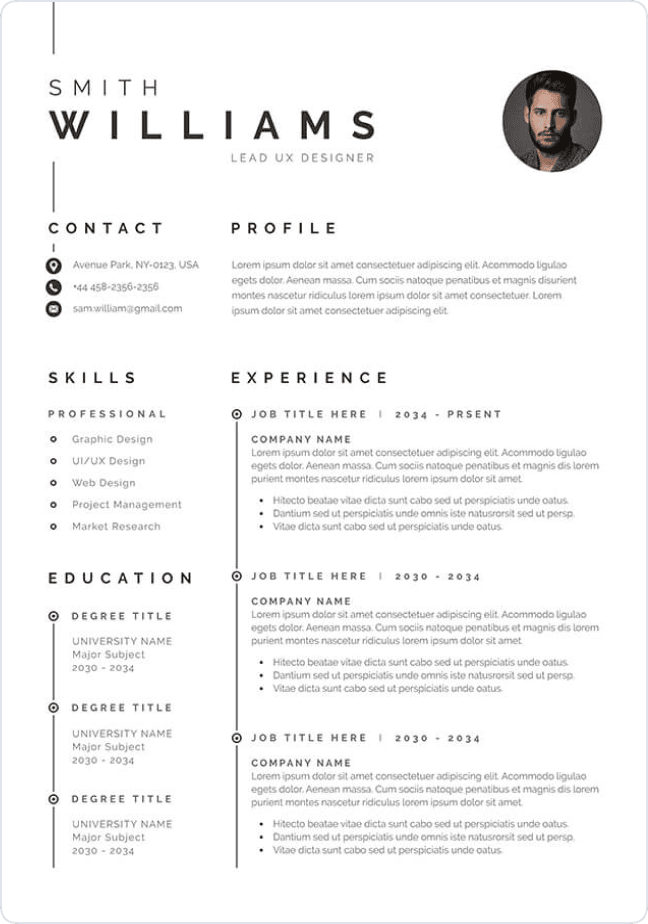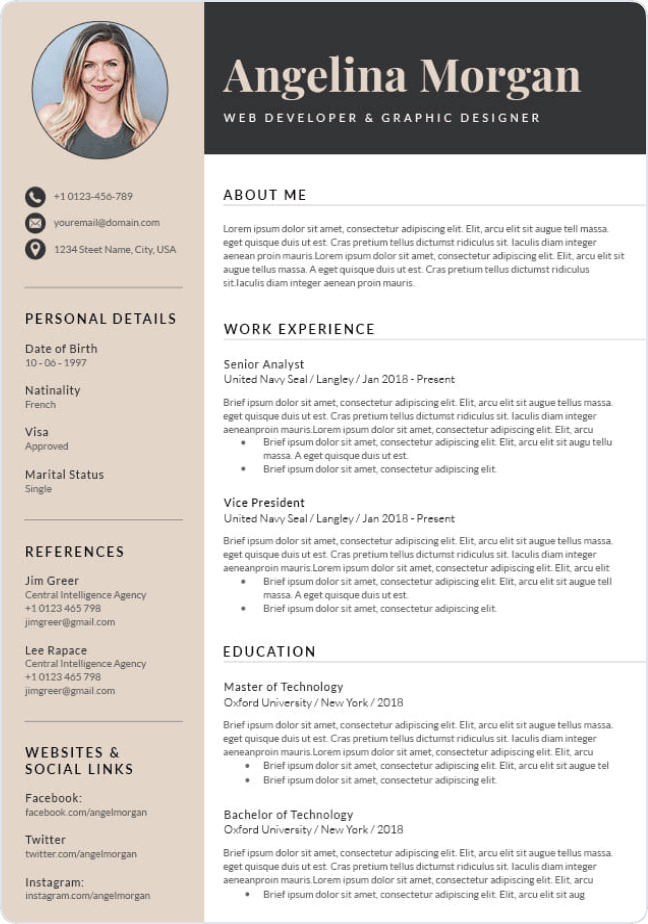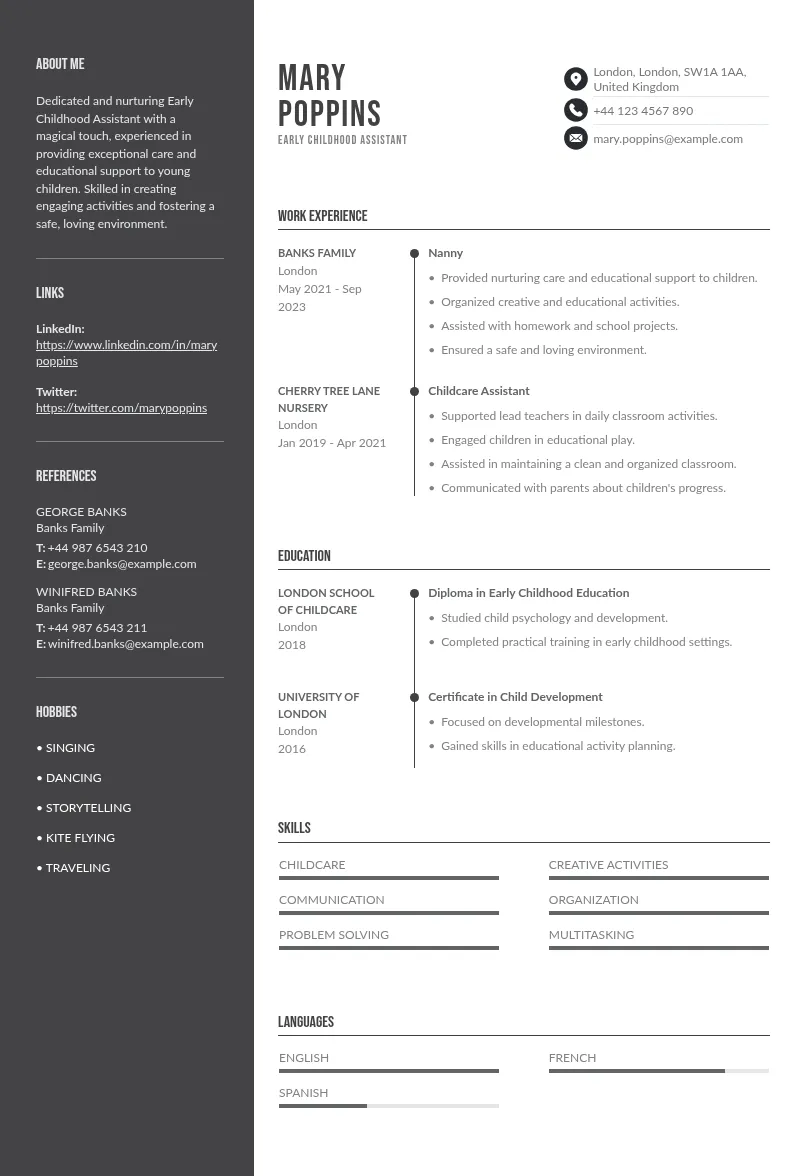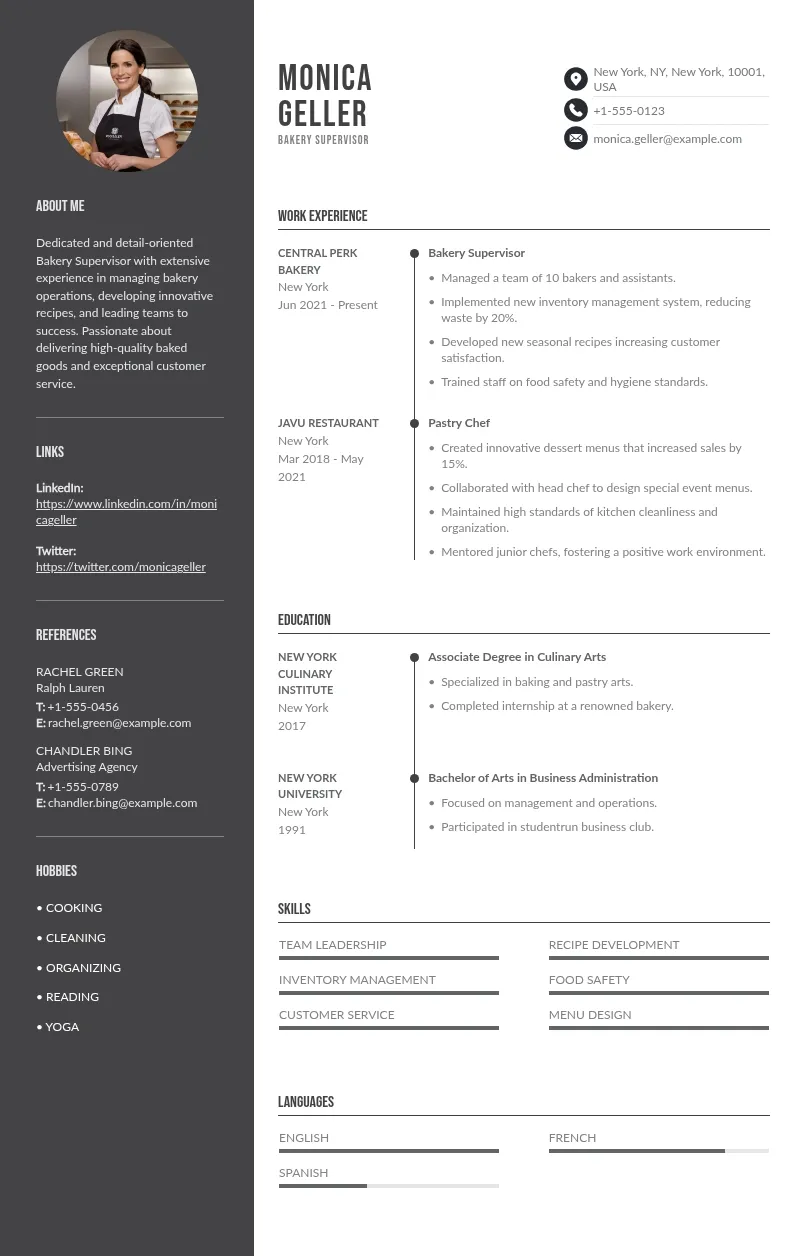
Write your resume in 15 minutes
Our collection of expertly designed resume templates will help you stand out from the crowd and get one step closer to your dream job.


However, not all complaint letters are equally effective.
Many fail because they are too vague, too emotional, or misaligned with how HR investigations actually work.
This guide goes beyond basic templates. It includes:
- Professionally structured complaint letter templates
- A fully annotated “excellent” complaint example
- A weak vs improved complaint comparison
- Realistic workplace scenarios (manager, coworker, remote)
- How HR evaluates complaints internally
- Retaliation risks and escalation paths
- Practical documentation strategies
Whether you are reporting a single serious incident or ongoing misconduct, this guide will help you write with clarity, credibility, and impact.
What Is a Workplace Harassment Complaint Letter?
A workplace harassment complaint letter is a formal document used to report inappropriate behavior such as bullying, discrimination, intimidation, or misconduct.
It is typically submitted to:
- HR departments
- Managers (if not involved)
- Ethics or compliance teams
- Designated reporting channels
A strong complaint letter should:
- Clearly describe specific incidents
- Include dates, locations, and individuals involved
- Use neutral, factual language
- Reference supporting evidence
- Request a clear outcome or action
Why Documentation Matters (From an HR Perspective)
HR does not evaluate complaints based on emotion—they evaluate:
- Consistency of your timeline
- Corroboration (witnesses, messages, records)
- Pattern vs isolated incident
- Alignment with company policy violations
Weak documentation often leads to:
- Delayed investigations
- “Insufficient evidence” outcomes
- Limited disciplinary action
What Counts as Workplace Harassment?
Workplace harassment includes repeated or severe behavior that creates a hostile, intimidating, or offensive environment.
Examples include:
- Offensive jokes or repeated insults
- Public humiliation or degrading comments
- Inappropriate touching or gestures
- Sexual remarks or advances
- Threats or intimidation
- Discriminatory comments (gender, race, religion, etc.)
- Harassing emails, chat messages, or online behavior
Not all workplace conflict is harassment. Performance feedback or disagreements generally do not qualify unless they become abusive, targeted, or discriminatory.
How to Document Harassment Before Filing a Complaint
Before submitting a complaint letter, organize your information carefully. Proper documentation strengthens your case and helps HR understand patterns of behavior.
1. Keep an Incident Log
Record:
- Date and time
- Location
- What happened
- Exact words or actions
- Witnesses present
- Your response
Example:
2. Save Supporting Evidence
Useful evidence may include:
- Emails
- Screenshots
- Chat messages
- Voice recordings (if legally permitted in your area)
- Witness statements
- Performance reports connected to the incidents
3. Organize Files Clearly
Use descriptive file names such as:
- “Meeting_Comments_April10”
- “HR_Email_May2”
- “TeamChat_Screenshot”
Organized evidence makes investigations more efficient.
Workplace Harassment Complaint Letter Templates
Below are three professional templates designed for different workplace situations.
Template 1 – Formal Complaint to HR
Best for: Single serious incident

Subject: Formal Complaint Regarding Workplace Harassment
Dear [HR Manager's Name],
I am writing to formally report an incident of workplace harassment that I experienced at [Company Name]. I believe it is important to bring this matter to your attention to help maintain a safe and respectful work environment.
The incident occurred on [date] at [location] and involved [individual's name and position]. During this incident, [describe clearly what happened using factual language].
This behavior has affected my ability to work comfortably and professionally. I have documented the incident and included supporting evidence where available, including [emails/messages/witness statements].
I respectfully request that this matter be investigated and that appropriate action be taken according to company policy.
Please let me know if additional information is required. Thank you for your attention to this matter.
Sincerely,
[Your Full Name]
[Your Position]
[Contact Information]
Template 2 – Detailed Incident-Based Complaint
Best for: Repeated behavior.
Subject: Workplace Harassment Complaint – Detailed Report
Dear [Manager/HR Name],
I am submitting this letter to formally report ongoing workplace harassment that I have experienced at [Company Name].
Below is a summary of the incidents:
Incident 1
Date: [Insert date]
Location: [Insert location]
Description: [Detailed factual explanation]
Incident 2
Date: [Insert date]
Location: [Insert location]
Description: [Detailed factual explanation]
Incident 3
Date: [Insert date]
Location: [Insert location]
Description: [Detailed factual explanation]
These repeated incidents have created a hostile work environment and negatively affected my well-being and job performance. Despite attempts to address the issue informally, the behavior has continued.
I have attached supporting documentation, including emails, screenshots, and witness information where applicable.
I respectfully request a formal investigation and appropriate corrective action to prevent future incidents.
Thank you for your time and consideration.
Sincerely,
[Your Name]
[Your Position]
[Contact Information]
Template 3 – Confidential Workplace Harassment Complaint
This template is useful if you are concerned about retaliation or prefer confidentiality.
Subject: Confidential Workplace Harassment Complaint
Dear [HR Department],
I am writing to report an incident of workplace harassment while requesting that my identity remain confidential due to concerns about possible retaliation.
The incident involved [individual's name/department] and occurred on [date]. The behavior included [brief factual description].
This situation has contributed to an uncomfortable and unsafe work environment. I believe it is important for the organization to investigate this matter thoroughly while maintaining confidentiality as much as possible.
I appreciate your attention to this issue and your efforts to maintain a respectful workplace.
Sincerely,
[Anonymous / Optional Name]
Annotated Example of an Effective Complaint Letter
High-Quality Example
Subject: Formal Complaint – Repeated Inappropriate Conduct (Sales Team)
Dear HR,
I am writing to report repeated inappropriate conduct by my manager, John Smith, which I believe violates company policy.
Incident 1: On April 10, 2026, during a team meeting, John stated, "You are incompetent," in front of six colleagues (witnesses: Sarah Lee, Michael Brown).
Incident 2: On April 15, 2026, John posted critical comments about my performance in a public Slack channel. Screenshots are attached.
These incidents have created a hostile work environment and affected my work performance.
I request a formal investigation and appropriate corrective action. I also request interim measures to ensure a safe work environment during the review.
Sincerely,
[Name]
Why This Works
- Anchored in specific incidents
- Includes verifiable evidence
- Uses neutral, professional tone
- Clearly links behavior to impact
- Makes a direct, actionable request
Poor vs Strong Complaint Example
Weak Version
Problems:
- No dates or examples
- Emotion-based language
- No evidence
Improved Version
“On May 3, 2026, during a team meeting, my manager stated, ‘Your work is useless,’ in front of colleagues. Similar comments occurred on May 6 and May 9. I have attached documentation and request a formal review.”
Workplace Scenarios (How Your Approach Changes)

1. Manager Harassment
- Power imbalance increases risk
- Often skip informal resolution
- Report directly to HR or senior leadership
2. Coworker Harassment
- May involve mediation
- Witnesses play a key role
3. Remote Workplace Harassment
- Evidence comes from digital platforms
- Written tone and timestamps are critical
4. Sexual Harassment vs General Intimidation
- Sexual harassment often triggers stricter legal and HR protocols
- Requires precise documentation and faster escalation
Writing Tips Based on How HR Reviews Complaints
Use Specific, Verifiable Language
 Avoid:
- “They always do this.”
- “This is unbearable.”
 Use:
Use:
- Dates, quotes, and context
Avoid Language HR May View as Unhelpful
- Absolutes (“always”, “never”)
- Emotional exaggeration
- Early legal threats
- Assumptions about intent
HR evaluates behavior, not emotions.
Follow Official Reporting Channels
Common channels include:
- HR submissions
- Ethics hotlines
- Internal reporting systems
- Union representatives (if applicable)
Skipping required channels can delay investigations.
Clearly State Your Requested Outcome
Examples:
- Formal investigation
- Mediation
- Workplace protections
- Disciplinary review
What Happens After You Submit a Complaint?
Typical process:
- Initial review (2–7 business days)
- Interviews with involved parties
- Evidence review
- Witness discussions
- Final determination
Realistic Timelines
- Standard cases: 2–6 weeks
- Complex cases: 6–12+ weeks
Delays may occur due to:
- Witness availability
- Evidence verification
- Legal consultation
Protection Against Retaliation
Most organizations prohibit retaliation against employees who report harassment.
Examples include:
- Demotion or reassignment
- Exclusion from meetings
- Negative reviews after reporting
- Hostile treatment
If retaliation occurs:
- Document it immediately
- Report it separately
- Escalate if necessary
Escalation Paths (If Your Complaint Is Ignored)
If internal processes fail:
- Escalate to senior HR or leadership
- Use ethics hotlines
- Consult legal professionals
- Report to external authorities
Legal & Compliance Considerations
Workplace harassment complaints may involve employment law and worker protections. Many jurisdictions provide legal protection for employees who report misconduct in good faith.
Authoritative organizations include:
- U.S. Equal Employment Opportunity Commission
- Advisory, Conciliation and Arbitration Service
- Occupational Safety and Health Administration
These bodies guide:
- Harassment definitions
- Employer responsibilities
- Anti-retaliation protections
Conclusion
A workplace harassment complaint letter is more than a formality—it is a critical document that shapes how your case is evaluated.
The most effective complaints are:
- Specific
- Evidence-based
- Professionally written
- Aligned with HR processes
Using the templates and strategies in this guide will help you move from a general complaint to a well-supported, credible report that organizations can act on.
Create your resume with the best templates