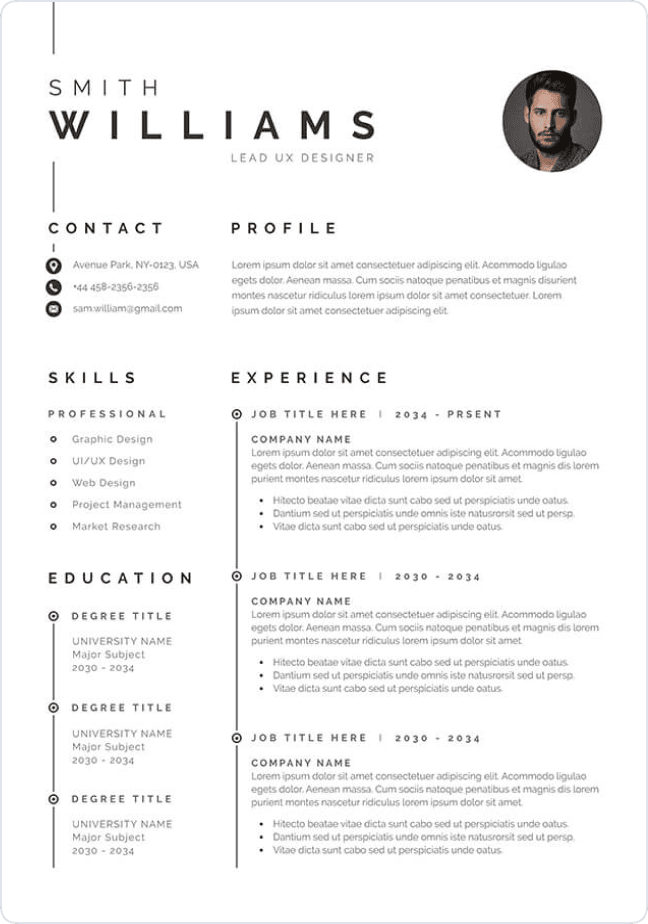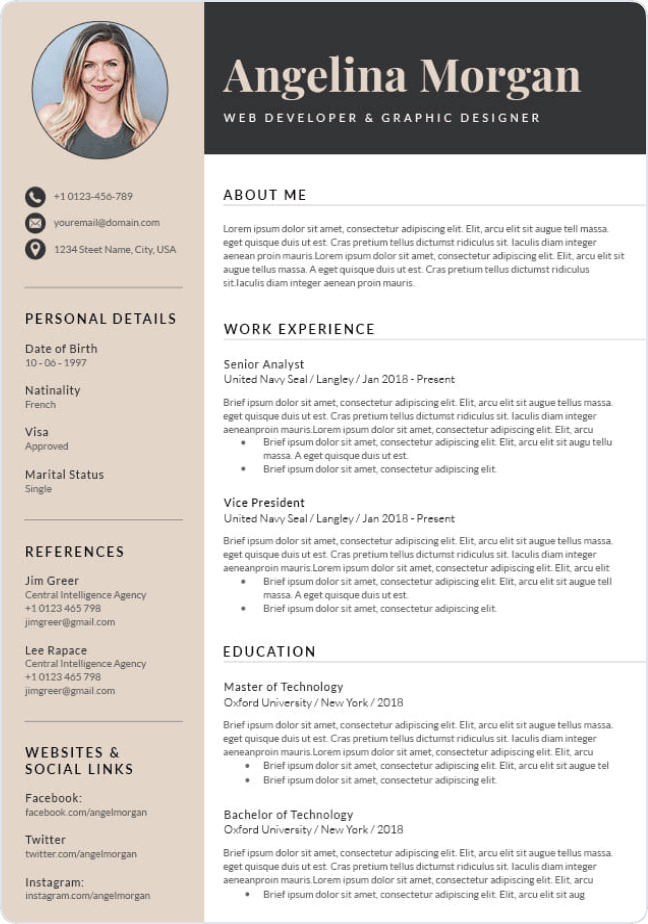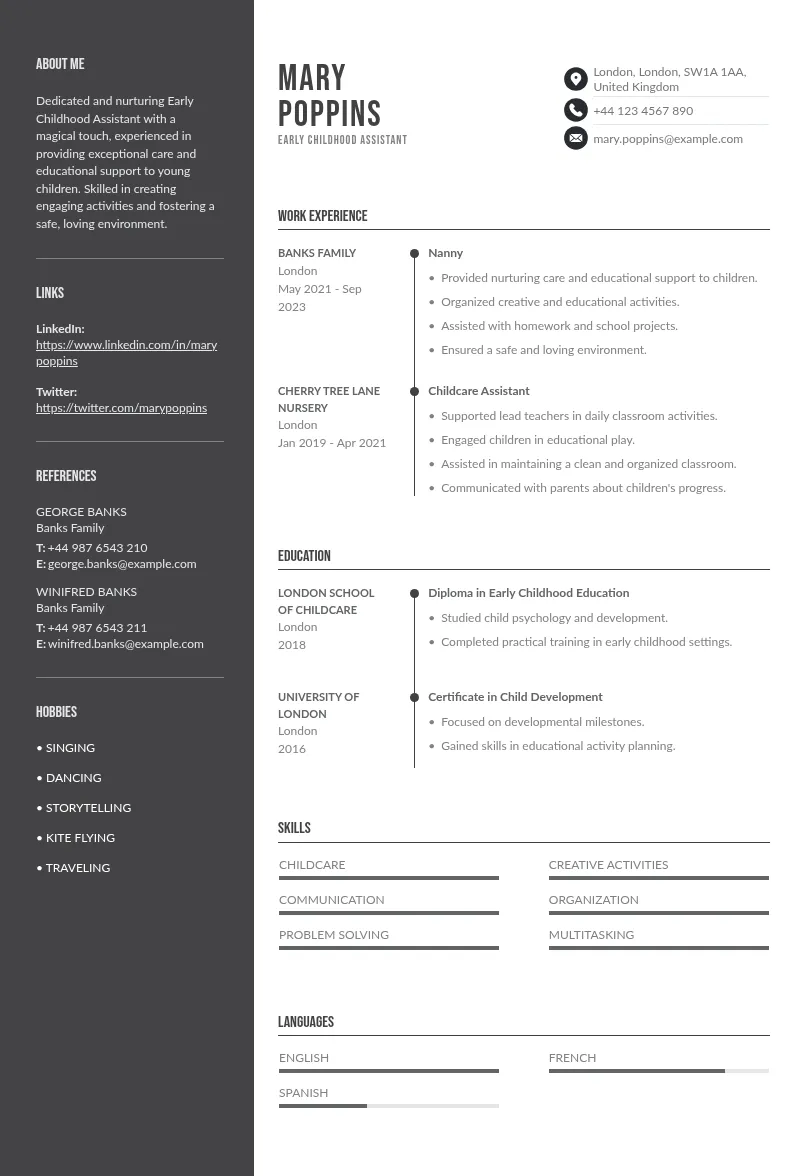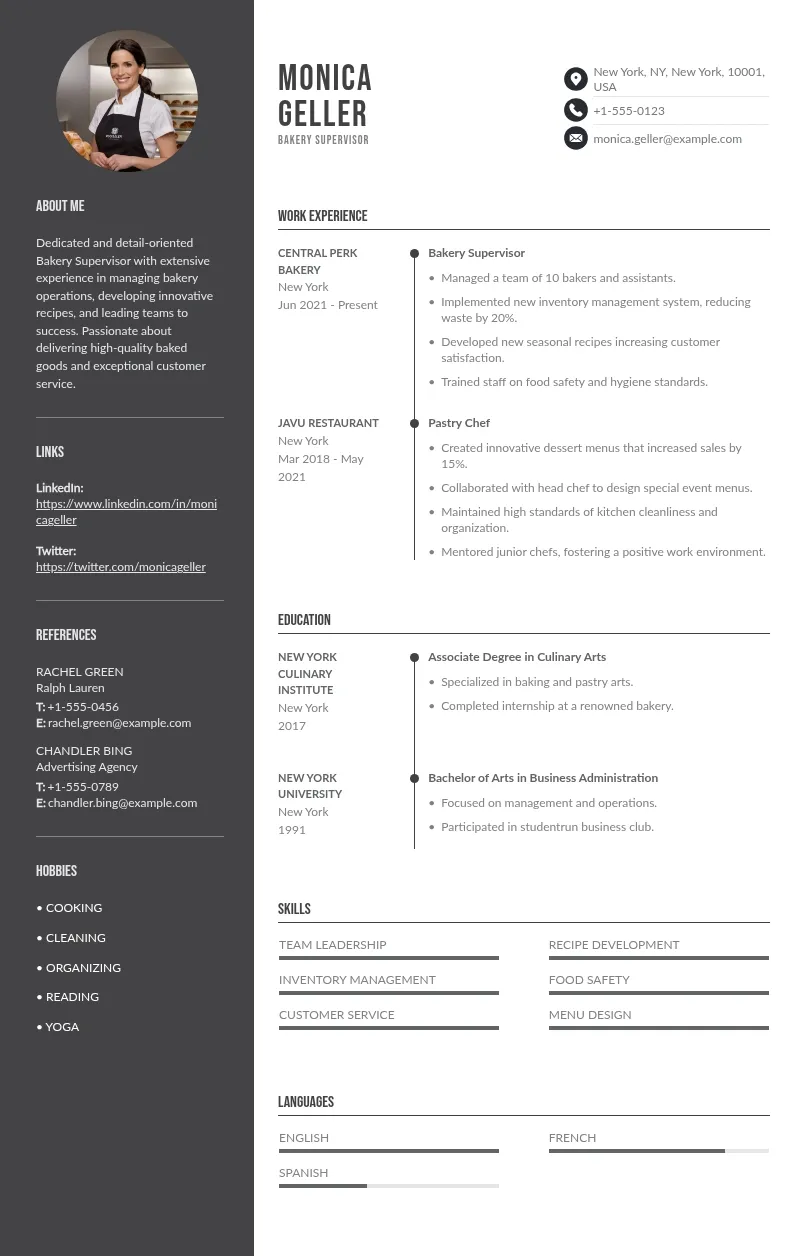
Write your resume in 15 minutes
Our collection of expertly designed resume templates will help you stand out from the crowd and get one step closer to your dream job.


Skills for effective remote team management go far beyond basic leadership. They include structured communication, async execution, emotional intelligence, and digital collaboration—applied specifically in distributed environments.
Remote work has fundamentally changed how teams operate. Managers who rely on traditional supervision often struggle with visibility gaps, async overload, and disengagement. In contrast, effective remote leaders build systems that enable teams to perform independently across time zones.
This guide covers the 12 must-have skills, along with real-world scenarios, tools, and advanced strategies to manage remote teams effectively.
What Are Skills for Effective Remote Team Management
Skills for effective remote team management are the abilities leaders use to manage, communicate, and collaborate with distributed teams across different locations and time zones.
These include:
- Clear communication
- Accountability and time management
- Emotional intelligence
- Digital collaboration and tool proficiency
Unlike traditional management, remote leadership requires structured communication, async workflows, and outcome-based performance tracking.
The 4 Layers of Remote Team Management Skills (Unique Framework)
To manage remote teams effectively, skills operate across four layers:
1. Communication Layer
Clear, structured, async-first communication
2. Execution Layer
Time management, accountability, and workflow clarity
3. Human Layer
Trust, emotional intelligence, and engagement
4. Leadership Layer
Decision-making, coaching, and adaptability
Most remote managers fail because they focus only on tools—not these layers.
Why Remote Management Skills Matter in 2026
Remote and hybrid work are now standard across industries.
Without these skills:
- Work slows due to async delays
- Teams become misaligned across time zones
- Employees feel disconnected and disengaged
With strong remote leadership:
- Teams operate independently
- Communication is structured and clear
- Performance is measured by outcomes, not activity
12 Must-Have Skills for Effective Remote Team Management
1. Clear Communication Skills
Remote teams depend heavily on written communication.
Failure Scenario:
“Finish this soon” → unclear → delays across time zones
Success Scenario:
“Submit the dashboard by Friday, 3 PM IST. Include revenue trends and insights.”
Remote Reality:
Messages must replace meetings—clarity is everything.
Tools: Slack, Zoom
Action Tip: Always define:
- Task
- Deadline
- Output
- Priority
2. Time Management and Accountability
Remote work removes visibility, so systems must replace supervision.
Failure:
Manager constantly checks status → micromanagement → low trust
Success:
Tasks tracked via dashboards → team works independently
Remote Nuance:
Across time zones, delays compound quickly if ownership is unclear.
Tools: Asana, Trello
Action Tip: Use visible task boards, not constant check-ins.
3. Emotional Intelligence (EQ)
You can’t “see” stress remotely—you must detect it indirectly.
Failure:
Missed deadlines → labeled as lazy
Success:
Recognized as workload overload → workload adjusted → performance improves
Remote Signal to Watch:
- Reduced Slack activity
- Delayed responses
- Drop in output quality
Action Tip: Weekly 1:1s focused on challenges—not just updates.
4. Digital Collaboration Skills
Remote teams rely on tools—but tool overload is a real problem.
Failure:
Information scattered across tools → confusion
Success:
Single source of truth → clear documentation
Remote Trade-Off:
More tools ≠ , better collaboration
Tools: Google Workspace, Microsoft Teams
Action Tip: Centralize communication and documentation.
5. Goal Setting and Performance Tracking
Remote teams need outcome-based goals, not activity tracking.
Failure:
“Work on improving product performance.”
Success:
“Increase page load speed by 20% in 4 weeks.”
Framework: OKRs
Action Tip: Break goals into weekly deliverables.
6. Trust Building and Transparency
Remote teams operate without visibility—trust becomes the foundation.
Failure:
Tracking hours → reduces morale
Success:
Measuring results → increases ownership
Action Tip: Share decisions, updates, and context openly.
7. Problem-Solving and Decision Making
Remote teams cannot wait for approvals across time zones.
Failure:
Team waits 8 hours for manager's reply
Success:
Team proposes solution → faster execution
Action Tip: Require solutions, not just problem reporting.
8. Adaptability and Flexibility
Remote workflows evolve constantly.
Failure:
Sticking to unnecessary daily meetings
Success:
Switching to async updates → saves time
Action Tip: Review workflows monthly.
9. Conflict Resolution Skills
Remote conflicts escalate faster due to a lack of tone.
Failure:
Slack misunderstanding → long-term tension
Success:
Quick video call → issue resolved
Action Tip: Move sensitive issues from chat → call.
10. Remote Team Engagement Skills
Remote teams face isolation and burnout.
Failure:
No engagement → silent disengagement
Success:
Recognition + connection → higher morale
Burnout Signals:
- Low participation
- Minimal communication
- Drop in creativity
Action Tip: Recognize achievements publicly.
11. Technical and Tool Proficiency
Leaders must understand the tools teams use.
Failure:
Manager unfamiliar with tools → poor oversight
Success:
Manager understands workflows → better decisions
Action Tip: Learn your team’s core tools.
12. Leadership and Coaching Ability
Remote leadership is about guidance, not control.
Failure:
Annual feedback only
Success:
Continuous async + live feedback
Remote-Specific Insight:
Written feedback is often more effective than verbal.
Action Tip: Use async feedback + monthly reviews.
Managing Remote Teams Across Time Zones (Advanced Insight)
Time zones are the biggest operational challenge.
Best Practices:
- Define overlap hours (2–4 hours max)
- Use async updates for daily work
- Avoid forcing everyone into one schedule
Example Workflow:
- Async updates via Slack
- Weekly sync via Zoom
- Task tracking via Asana
Async vs Sync Communication (What Most Managers Get Wrong)
Strong Opinion:
Most remote managers fail because they overuse meetings instead of designing async workflows.
Async (Best for):
- Updates
- Documentation
- Progress tracking
Sync (Best for):
- Decisions
- Brainstorming
- Conflict resolution
Rule: Default to async, escalate to sync when needed.
Mini Case Example (Differentiation Boost)
Scenario:
A remote marketing team across India, Europe, and the US struggled with delays.
Problem:
- Too many meetings
- Unclear responsibilities
- Time zone conflicts
Solution:
- Switched to async updates
- Defined clear ownership
- Reduced meetings by 40%
Result:
- Faster execution
- Improved accountability
- Better team satisfaction
Best Tools for Remote Team Management (With Examples)
Using the right tool improves communication and workflow efficiency.
- Slack: Team communication
- Zoom: Video meetings
- Asana: Task management
- Google Docs: Collaboration
Each tool serves a specific purpose and helps maintain structure in remote teams.
Real Example of Effective Remote Team Management Workflow
A typical remote workflow might look like this:
- Daily async updates via Slack
- Weekly team meeting via Zoom
- Task tracking via Asana
- Monthly performance review
This structure ensures clarity, accountability, and continuous improvement.
Common Mistakes Remote Managers Should Avoid
Many leaders struggle due to avoidable mistakes.
- Micromanaging employees: Reduces trust and slows work
- Lack of structured communication: Causes confusion
- Ignoring engagement: Leads to low morale
- Unclear expectations: Results in inconsistent output
Avoiding these mistakes improves both productivity and team satisfaction.
How to Develop Skills for Effective Remote Team Management
Developing these skills requires consistent practice and learning.
- Apply structured communication daily
- Use tools effectively
- Learn from feedback
- Study leadership frameworks like OKRs and Agile
Improvement comes from real-world application and continuous learning.
Conclusion
Skills for effective remote team management are essential for leaders in 2026. These skills help teams stay productive, aligned, and engaged in distributed environments.
By focusing on communication, trust, adaptability, and structured workflows, you can build a high-performing remote team. Continuous learning and practical application will help you strengthen these skills and achieve better results.
Create your resume with the best templates